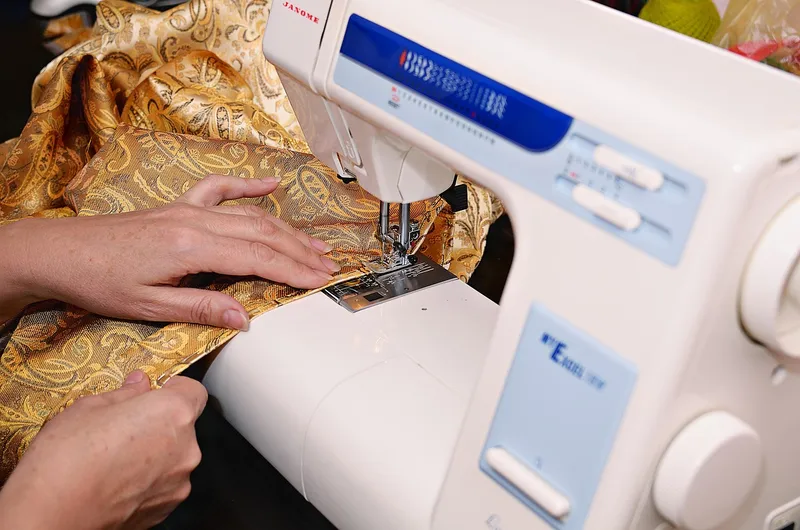
As fast fashion increases global waste, new community initiatives in Ohio are teaching residents how to repair clothing rather than discarding it. These efforts focus on extending the life of garments to keep them out of landfills and reduce textile pollution.
How are people fighting textile waste?
Community groups are popping up across the state to provide hands-on instruction in garment repair. In Cincinnati, the Crunchy Leaves Sustainability Collaborative hosts "Mending Monday" meetups where participants learn various techniques. Similar groups have emerged in Bay Village and Granville to support these skills.
Read also Combatting textile waste through the rise of clothing repair
Participants use several different methods to restore their clothing:
- Sashiko mending: A technique that uses decorative thread to create visible, attractive patterns over repairs.
- Darning: Using thin thread to patch holes so the repair blends into the original fabric.
- Repurposing: Using old materials, such as denim pockets, to practice stitches or create new items like quilts.
Why is this movement growing?
Many organizers note that sewing is becoming a "dying technique" that is essential for sustainability. By teaching Gen Z and millennial participants, these groups aim to shift consumer habits away from the rapid consumption cycles seen in modern retail. This movement is supported by a broader interest in secondhand goods, as seen at local events like the Ohio Vintage Fest, where shoppers seek quality and durability over mass-produced items.
What is the global context?
While local mending groups focus on individual action, the textile waste problem has international consequences. In regions like Ghana, massive amounts of secondhand clothing from the Global North end up in landfills. Artists and activists in those areas are working to repurpose these discarded fabrics, highlighting how overconsumption in one part of the world contributes to environmental issues in another.
FAQ
What is Sashiko mending?
It is a visible repair method where colorful thread is used to create beautiful patterns over a damaged area of fabric.
Why is textile waste a concern?
Fast fashion leads to high rates of overconsumption and disposal, which fills landfills and creates significant pollution globally.