Across North America, a growing movement of individuals is resisting the "throwaway" culture of modern fashion by embracing clothing repair. As the fashion industry produces goods faster and cheaper than ever, people are increasingly using needles, thread, and community workshops to extend the life of their wardrobes and reduce environmental impact.
Why is textile waste increasing?
The rise of low-quality, fast fashion has created a massive ecological challenge. In the United States alone, upwards of 10.5 million tons of clothing are sent to landfills every year. While some organizations like Goodwill process millions of pounds of donated textiles, only about half of these donations are typically high enough quality to be sold in stores. The remainder is often sent for recycling, such as turning old cotton shirts into insulation.
Read also Ohio residents use mending to combat textile waste
Beyond landfills, a lack of sufficient recycling infrastructure means much of the world's discarded fabric ends up being shipped to low-income countries where it is burned or dumped. This creates a global pollution problem as the lifecycle of modern garments becomes increasingly short.
How are people fighting back?
Communities are responding through several different methods of textile preservation:
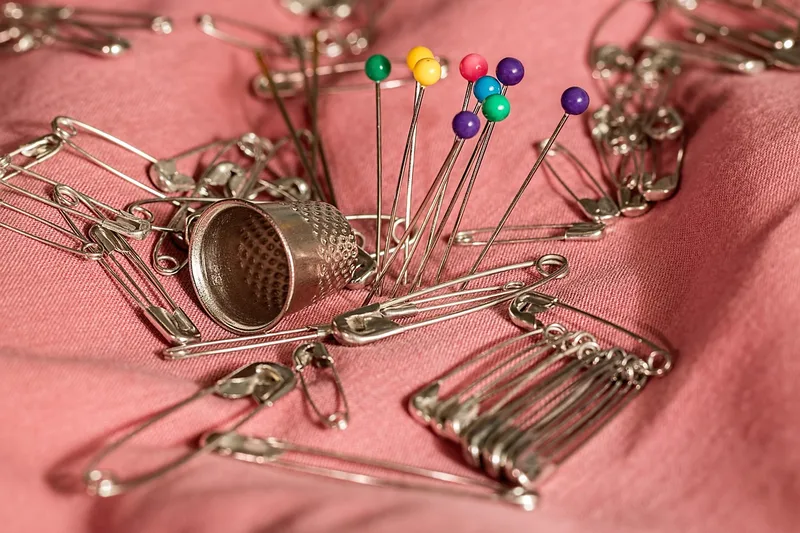
- Mending Workshops: Local organizations, libraries, and craft guilds are hosting events to teach sewing skills to the public.
- Professional Services: Companies like Patagonia operate large-scale repair facilities, and specialized businesses focus on dyeing or refurbishing old items.
- Upcycling: Creative individuals are repurposing old materials, such as turning denim pockets into quilts.
- Second-hand Markets: The expansion of thrift stores and clothing swaps helps keep existing garments in circulation.
What is the future of fashion sustainability?
While individual actions like mending are vital, some advocates are pushing for systemic changes. In Germany, a coalition of environmental and textile groups is calling for producers to be held financially responsible for the environmental impact of their products. This approach aims to ensure that "climate-damaging fast fashion must no longer pay off," according to the Deutsche Umwelthilfe group.
FAQ
What is fast fashion?
Fast fashion refers to inexpensive clothing produced rapidly by mass-market retailers, often characterized by low quality and short lifecycles.
Can all old clothes be recycled?
No; many garments lack the necessary infrastructure for textile-to-textile recycling, often resulting in them being sent to landfills or incinerated.