Crafting hobbies are drawing renewed interest as a way to support mental well-being, with knitting, pottery, crochet and scrapbooking promoted as a counterweight to heavy screen use. The case for picking up needles, clay or paper rests on stress relief, focused attention and social connection, according to recent reporting and a UK study of community activities.
Why are hands-on hobbies calming?
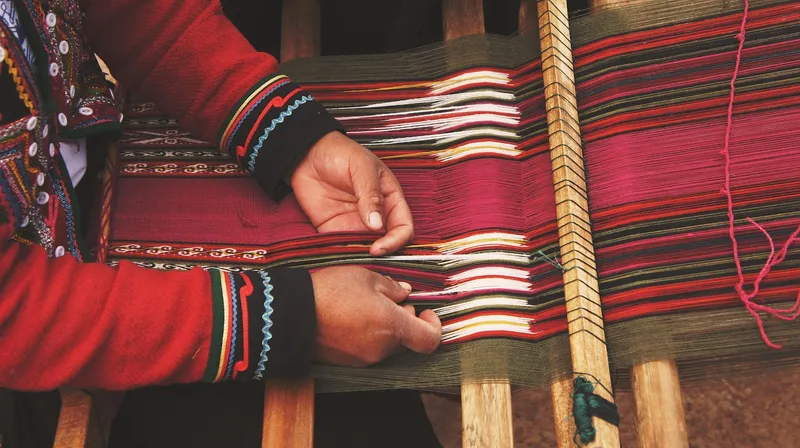
Manual tasks such as knitting, pottery and woodworking call on fine motor skills, vision and coordination at once. That steady concentration leaves less room for repetitive, intrusive thoughts, and the repetitive motion can feel close to meditation, according to a French report on the topic.
Read also Analog crafts surge as younger generations embrace grandma hobbies
A neurosurgeon quoted in a US health report said crafting can lower cortisol, the stress hormone, and that a recent study found a positive relationship between crafting and self-reported happiness, satisfaction and overall well-being.
What does the research show?
A £1.5 million study led by Glasgow Caledonian University and funded by the National Institute for Health and Care Research tracked 316 participants over 12 months. People who took part in arts and crafts more often reported better mental well-being, and volunteering was linked to better social connectedness, the university said.
Dr Sarkis Manoukian, the study's lead author, said the findings suggest investing in community sector activities may be one way to support health and well-being in disadvantaged communities. Much of the wider evidence remains based on surveys of practitioners describing a felt sense of calm, rather than precise measurement of anxiety.
Who is taking part?
Younger adults are often credited with driving the revival. According to an Australian report, Gen Z and millennial Australians are behind the return of social knitting clubs, crochet and junk journalling, with one Canberra knitter describing crafting as a way to share something with others.
In Chennai, adults are joining weekend art sessions and cafe meet-ups to escape doomscrolling, according to The Hindu. Pre-assembled kits are also marketed as a low-friction entry point for beginners.
What should beginners keep in mind?
Experts quoted in the US report advise thinking back to childhood interests and being patient. They say a new hobby can also help with social connection, and that joining a group of crafters, in person or online, can add to the benefits. Manual activities are described as a supplement to, not a replacement for, professional care.
FAQ
Do I need to be skilled to benefit?
No. One expert quoted in the US report said you do not have to be great at a craft, or even good at it, to get the benefits.
Is crafting a treatment for anxiety?
No. The reported benefits are described as a complement to care, not a substitute for it.