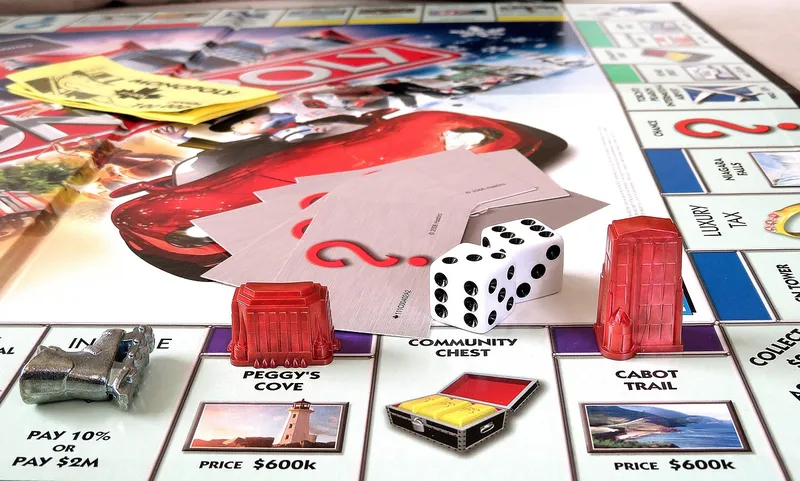
Philadelphia residents can now play a customized version of the classic board game featuring local landmarks, universities, and private businesses. The Philadelphia edition of Monopoly was officially unveiled at a launch event held at the Museum of the American Revolution.
What is included on the board?
The game features a variety of local institutions selected through a five-month public nomination period. While the four corner squares remain the traditional Go, Free Parking, Go to Jail, and Just Visiting, other elements have been localized to reflect the city's identity.
Notable additions to the board include:
- The Philadelphia Parking Authority (PPA)
- WMMR radio station
- Geno’s
- SEPTA
- Reading Terminal Market
- William H. Gray III 30th Street Station
- Schuylkill Banks Cable-Stayed Bridge
How were the locations chosen?
The PPA earned a spot on the board due to an unusual surge in public interest. According to Tim Barney, a game manager for Top Trumps, many people submitted the agency as a joke, suggesting it should be "Free Parking because they’re not actually free parking."
Because the agency was mentioned so frequently, the manufacturers decided to include it in the transportation category. This category replaces the original railroads with local transit options. Other winners of the nomination process include various museums, schools, and famous local eateries.
A growing trend of local editions
Philadelphia is part of a wider trend of cities creating specialized versions of the game to celebrate regional identity. Similar localized editions have recently launched in other North American cities. In Cincinnati, residents helped suggest historic landmarks and cultural sites for a custom board. In Lincoln, the edition features local businesses and University of Nebraska locations.
These regional versions are often the result of long-term planning and community involvement. For example, the Lincoln edition followed about a year of development, working closely with local businesses and schools to ensure the board was special to the community. This strategy helps ensure the games have longevity and credibility by using recognizable local names.