The popularity of miniature art hobbies has seen a significant surge, drawing enthusiasts to specialized retreats and local markets. While once considered a declining pastime, the interest in small-scale crafting has exploded since the start of the pandemic, leading people to invest time and money into the meticulous world of tiny objects.
Why are miniatures so popular?
Recent interest has driven travelers to coastal Maine to attend dedicated miniatures schools. Some enthusiasts are willing to spend thousands of dollars on travel and accommodations just to immerse themselves in the craft. This obsession stems from a desire to master a medium that focuses on extreme detail and precision.
Read also Hanover resident crafts miniature swords from ordinary nails
For many, these hobbies offer a way to engage with creativity through various formats:
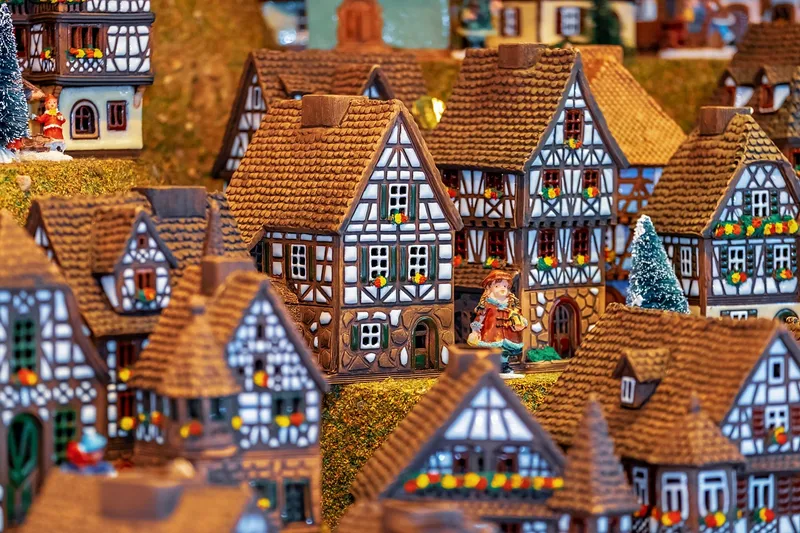
- DIY Kits: Pre-cut, color-coded kits, such as miniature patisseries or themed trams, allow hobbyists to build self-contained displays for shelves or desks.
- Professional Modeling: Former film industry professionals use their expertise to create intricate models from upcycled materials.
- Artisan Markets: Events like the Augusta flea market in Maine provide a platform for local artists to transition from hobbyists to small business owners.
How do artists practice these crafts?
Artists use a wide variety of environments to hone their skills. Some work in specialized home studios, such as lofts in Connecticut, where they balance residential life with professional fabrication. Others focus on sustainability, turning discarded materials into tiny masterpieces.
In some regions, the craft is also tied to cultural heritage. For instance, in Foshan, China, visitors can participate in the tradition of painting and decorating miniature lion-head models, a smaller version of the complex props used in traditional lion dances.
What is next for miniature enthusiasts?
As the community grows, the distinction between casual hobbyist and professional artisan continues to blur. Many creators are looking toward expanding their reach through social media, digital studio visits, and larger dedicated workspaces to accommodate more complex, sculptural projects.