Medical professionals in North America and Australia are increasingly utilizing nature prescriptions to treat patients, a practice that links personal physical and mental health to the broader need for environmental protection. By recommending intentional time in natural settings, doctors aim to combat issues such as anxiety, depression, and chronic stress.
What are nature prescriptions?
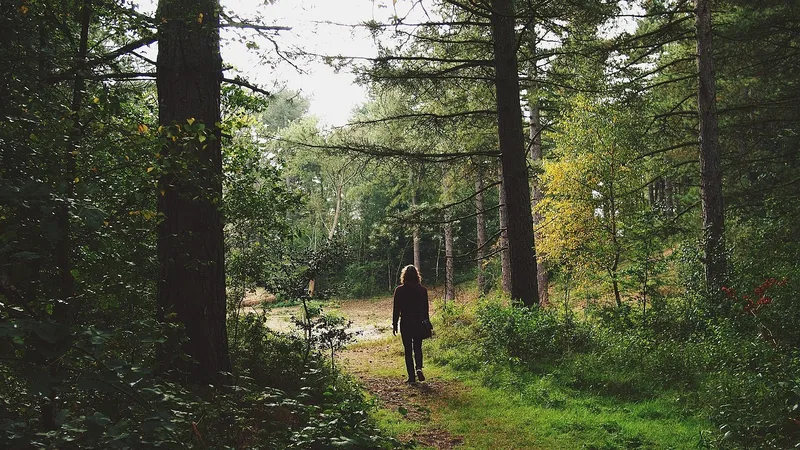
Unlike standard advice to simply exercise, nature prescribing or "nature dosing" involves a conscious engagement with the environment. Patients are encouraged to observe natural textures, listen to birds, or watch the movement of trees. Experts suggest that specific durations can yield significant benefits:
Read also PaRx Connectors links doctors with nature guides
- At least 20 minutes per session
- A total of two hours per week
In Canada, the PaRx platform has already seen over 20,000 health professionals issue more than two million of these prescriptions. This approach is often used to support those managing ADHD, stress, or mobility challenges.
Connecting wellness to the planet
The rise of nature prescriptions highlights a growing connection between human health and conservation. As more people seek the benefits of the outdoors, the necessity of protecting these spaces becomes more urgent. This link is visible in various global initiatives:
- Youth Employment: Social enterprises like the Sea Ranger Service aim to solve coastal unemployment by training young people for ocean protection roles.
- Early Education: Campaigns involving brands like Paw Patrol are teaching children that they are the "next generation of protectors" for the planet.
- Global Advocacy: The International Nature Prescribing Alliance was recently launched to scale these health practices worldwide.
Why does this matter for the future?
As medical guidelines continue to endorse nature-based activities, the demand for accessible green spaces is likely to increase. This shift suggests that environmental conservation is no longer just an ecological issue, but a fundamental component of public healthcare. Moving forward, the success of these programs may depend on reducing barriers to nature access and integrating environmental stewardship into community wellness models.