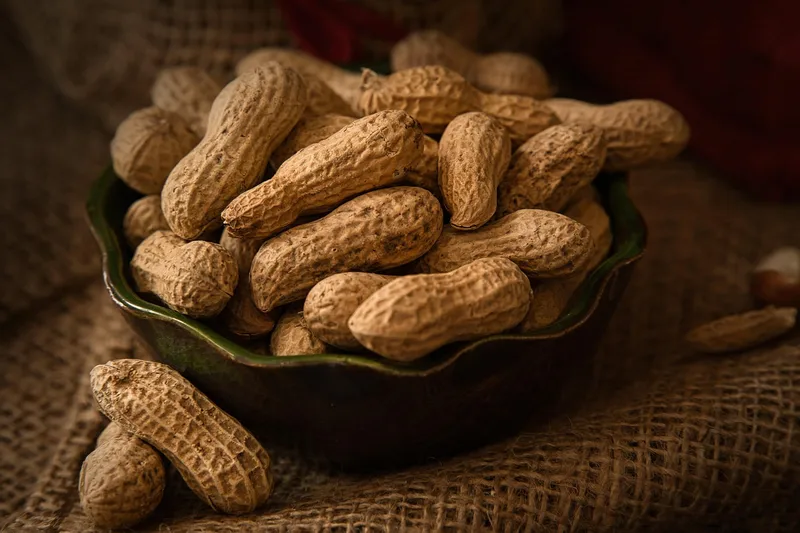
A recent clinical trial suggests that a daily habit of eating peanuts may support cognitive health in older adults. Researchers found that consuming unsalted, skin-roasted peanuts for 16 weeks altered how specific memory-related regions of the brain respond to insulin.
How did peanuts affect the brain?
Using MRI imaging, researchers at Maastricht University Medical Center observed changes in the right hemisphere of the brain. The study focused on several key areas involved in memory and learning, including:
- The hippocampus
- The lingual gyrus
- The parahippocampal gyrus
- The posterior cingulate gyrus
While the brain showed increased insulin responsiveness, other bodily markers like blood sugar, cholesterol, and liver fat remained unchanged. This indicates the effect was localized to the brain rather than a systemic metabolic shift.
Why does insulin matter for memory?
In the brain, insulin does more than regulate sugar; it assists in nerve cell communication and memory formation. As people age, neurons often become less responsive to this hormone, a decline frequently linked to cognitive impairment.
Scientists believe the benefits might stem from a combination of nutrients found in peanuts, such as magnesium, fiber, unsaturated fats, and polyphenols from the skins. Additionally, the amino acid L-arginine may play a role by helping the body produce nitric oxide, which supports healthy circulation.
What are the limitations of this research?
While the results are promising, the researchers noted that these findings are preliminary. The study was small, involving only 31 healthy volunteers between the ages of 60 and 75. Because the participants were healthy and did not have diabetes, the study cannot determine if peanuts can prevent Alzheimer's disease or help those with existing chronic conditions.
FAQ
What specific type of peanuts were used in the study?
Participants consumed 60 grams of unsalted, skin-on roasted peanuts every day.
Does this mean eating peanuts will prevent dementia?
No; the study was too small to establish if peanut consumption prevents age-related neurological diseases or cognitive decline in the general population.