Seasonal holiday markets and art sales across the United States and Canada are experiencing significant foot traffic as shoppers seek out one-of-a-kind gifts. From South Dakota to Ontario, these events are providing a platform for local artisans to turn long-term hobbies into thriving businesses.
Why are shoppers choosing craft shows?
Many consumers are moving away from mass-produced items in favor of unique, curated goods. At the Marquette Regional History Center's holiday sale, for example, artists are selected based on the quality of their work to ensure every gift is distinctive. This trend is also seen in Elliot Lake, Ontario, where a local Christmas Craft Show saw all vendor tables sell out in a single day.
Read also Craft Fairs See Demand for Human-Made Goods
Shoppers are finding a wide variety of items, including:
- Hand-carved wood decor and sculptures
- Custom leather goods like wallets and bags
- Stained glass art and jewelry
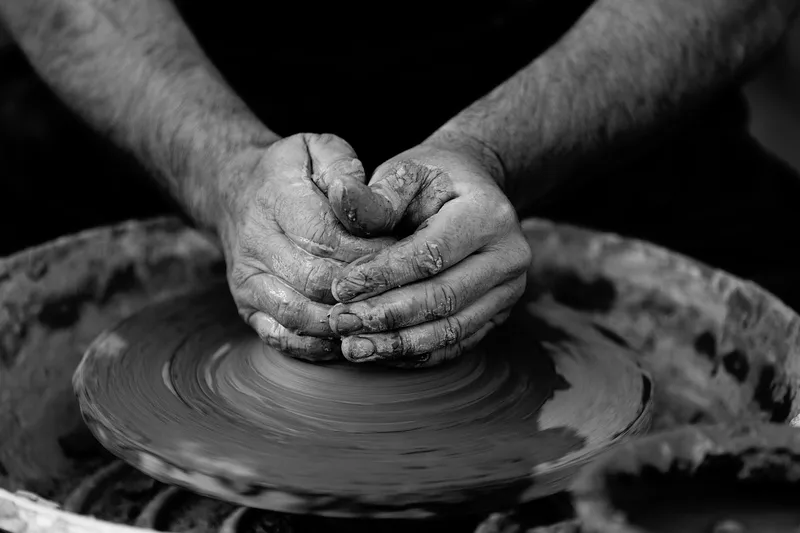
- Pottery, photography, and knitted goods
Can small businesses thrive despite inflation?
Despite the pressure of higher food and fuel costs, many vendors report that sales remain strong. At the Ron Meyers Christmas City Gift Show in Mississippi, some boutique owners noted that this year has been one of their best yet. Similarly, at the Sioux Empire Arts and Crafts Show, vendors from 18 different states brought handcrafted home decor and toys to thousands of attendees.
For many participants, these shows represent a critical transition from passion to profession. One vendor in Elliot Lake noted that her wood carving moved from being a hobby to a full business over a few years. This economic shift highlights how holiday markets serve as vital hubs for the maker economy.
FAQ
What kind of items are typically sold at these shows?
Vendors usually offer handmade goods such as jewelry, leatherwork, candles, pottery, and seasonal decorations. Many shows specifically feature 100% handcrafted items.
Do these events support local history?
Some events, such as those held at the Adams Homestead and Nature Preserve or the Marquette Regional History Center, combine shopping with opportunities to learn about regional cultural and natural history. Proceeds from certain sales also go directly back into museum programming and operations.