Craft fairs on both sides of the Atlantic are drawing large crowds this season, and makers say the appeal is simple: buyers want objects shaped by human hands. That demand is giving artisans what several describe as a fighting chance against artificial intelligence, which can now produce images and designs in seconds.
Why are shoppers turning to handmade goods?
At the Craft Council of Newfoundland and Labrador's annual Christmas fair in Torbay, roughly 8,000 people had visited by Sunday morning, according to CBC News. Melissa Tarrant, who leads the council and works as a textile artist, told the broadcaster that crafted pieces will hold their own against anything AI produces. Vendors there must pass a jury review, and the council's standards require work to show evidence of the maker's hand.
Read also Handmade goods drive community support at regional craft markets
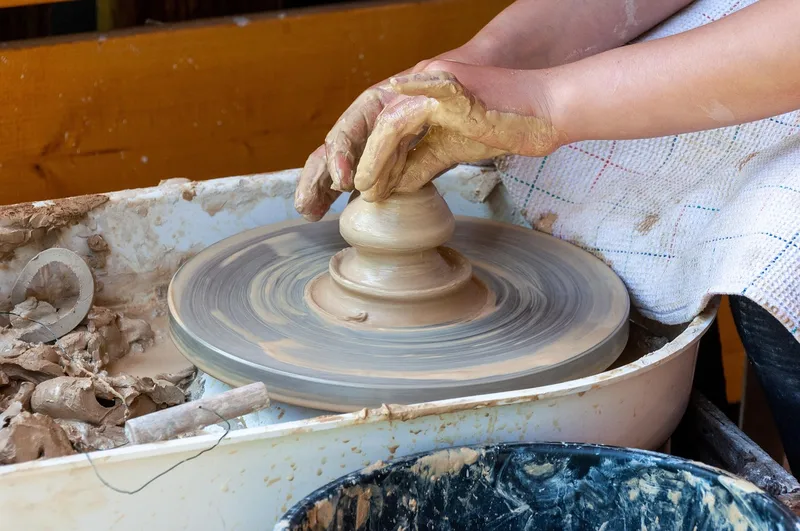
Potter Paula Tessier, who runs Wild Lupin Studios, said each piece takes about two weeks from a ball of clay. She arrived with roughly 500 mugs and bowls and had sold most of them by Sunday afternoon. "There's no AI that gives that kind of joy," she told CBC.
What do makers in other countries report?
Similar patterns appear elsewhere:
- In Shetland, about 800 people attended the Christmas craft fair on its opening night, with 82 stands in total, according to exhibitor Eric Semple.
- In La Gacilly, France, organizers of the Toutes fibres dehors fair said more artisans are applying each year and visitors are asking about classes.
- At ZineFest in Charlottetown, Prince Edward Island, co-founder Jordan Beaulieu said about 50 artists and writers sold handmade books and prints, with little AI-generated work on display.
Can traditional skills survive AI?
The question was central at a printmaking conference hosted by Louisiana State University in Baton Rouge, where panels weighed tactile knowledge against digital knowledge. Organizer Lauren Cardenas described the craft as a ritual connecting hand, eye and senses. Brett Taylor, who heads the Mid-America Print Council, said those conversations are pertinent right now.
What happens next is less clear. Craft councils set their own rules, and none of the fairs reported formal policies on AI. For now, the strongest safeguard appears to be the buyers themselves, who say they value the time and effort behind each piece.
FAQ
How do craft fairs screen for authenticity?
Some councils, such as the one in Newfoundland and Labrador, require makers to pass a jury review and meet quality standards before selling.
Is AI banned at these events?
No official rules were reported. Organizers say they simply emphasize human-made work and the experience of creating by hand.