As federal dietary guidelines increasingly warn against highly processed products, scientists are debating whether industrial manufacturing methods are the true culprit. While these products supply a large share of daily calories for many adults in the U.S. and U.K., new evidence suggests that high levels of sugar, salt, and saturated fat—combined with low fiber—might matter more than the processing itself.
The hidden cost of convenience
Ultra-processed foods are often defined by ingredients not found in a typical home kitchen, such as high-fructose corn syrup or hydrogenated oils. These products are designed to be inexpensive, shelf-stable, and easy to consume, which often leads to overeating.
Beyond the physical health impacts, there is a sizable economic toll. One analysis, commissioned by a prepared-food manufacturer, estimated that people who eat the most of these products could bear roughly $360,000 in added lifetime economic costs compared with those who eat the least. Most of that figure reflects an assigned value for a shorter lifespan rather than money spent directly, and diabetes drove much of the modeled health costs.
Is it the processing or the nutrients?
The debate centers on whether the mechanical or chemical changes to food cause harm, or whether the specific nutrient makeup is the issue. This distinction is vital because some ultra-processed foods, like whole-grain breads or certain yogurts, may actually meet dietary guidelines.
If the problem is the nutrient profile, the focus of nutrition advice might shift from what to avoid to what to add. Current trends among dietitians suggest a move toward addition rather than restriction, emphasizing:
- Increased fiber intake
- Higher protein consumption
- More fermented foods for gut health
Can food act as medicine?
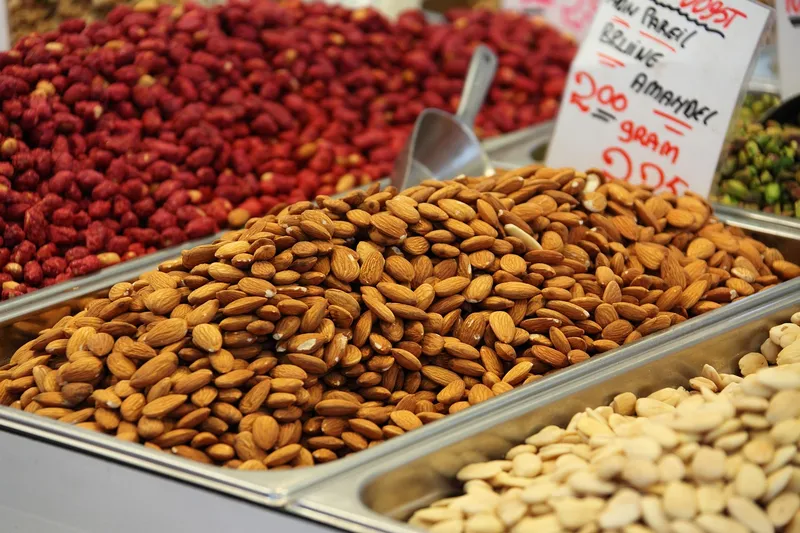
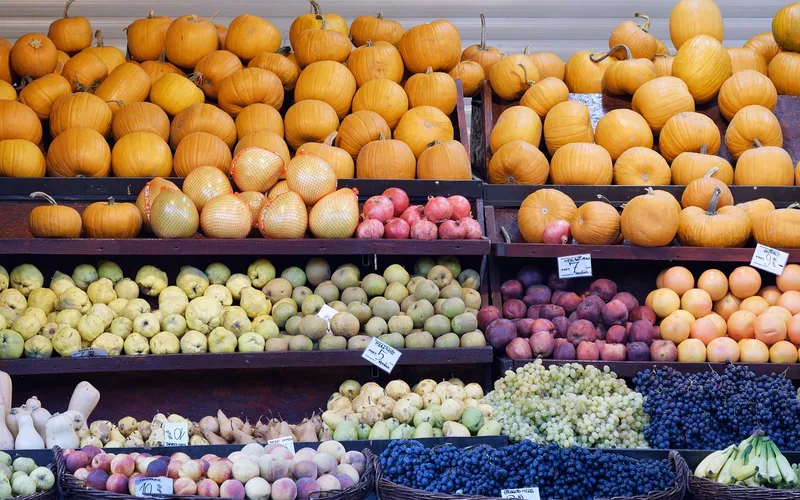
The "Food Is Medicine" movement seeks to treat nutrition as a core component of disease prevention and treatment. This approach encourages building meals around minimally processed plant foods like beans, nuts, seeds, and vegetables.
By prioritizing these nutrient-dense foundations, proponents hope to address the shortage of nourishing foods in the modern diet. Programs that provide culturally relevant, minimally processed meals have already shown success in helping individuals manage conditions like high blood pressure through improved nutrition.
FAQ
What defines an ultra-processed food?
These are foods made using industrial processes and additives, such as isolated proteins or emulsifiers, that are not typically used in home cooking.
Why are these foods so common?
They are often cheaper and more convenient than fresh alternatives, making them a staple for many busy or budget-conscious households.