As grocery stores across North America increasingly feature nutritional warnings, consumers must learn to distinguish between helpful guidance and misleading marketing. Understanding front-of-package high in labels is essential for navigating the complex landscape of ultra-processed foods and avoiding deceptive claims.
Decoding the warning symbols
In Canada, a black-and-white magnifying glass icon flags prepackaged goods that exceed specific nutritional limits. This symbol appears when a product contains at least 15 per cent of the recommended daily intake for saturated fat, sodium, or sugars.
These requirements are not static; they adjust based on how much of a product a person typically eats. For instance, the threshold is lower at 10 per cent for small items like dressings, while it rises to 30 per cent for larger main courses. In other regions, health advocates are pushing for similar mandatory warnings to help people avoid chronic diseases.
Beware of the 'health halo'
Many shoppers fall victim to a "health halo," where a single appealing feature makes a product seem more nutritious than it actually is. Common marketing buzzwords include:
- Gluten-free: Indicates the absence of a specific protein but does not guarantee lower calories or salt.
- Organic: Describes how food was grown rather than its total nutritional profile.
- Multigrain: Simply means the product contains multiple grains, which may still be refined.
- Fat-free or Sugar-free: Manufacturers often add sugar to these products to compensate for lost flavor.
How to read labels effectively
To find the truth about a product, look past the large font on the front and examine the fine print. Ingredients are legally listed in descending order of quantity, meaning the first few items define the core of the product. If sugar or vegetable fat appears before milk in an ice cream container, it is not a true dairy dessert.
Additionally, always check the serving size. Manufacturers may list tiny, unrealistic portions to make calorie or fat counts appear lower than they are in a typical sitting.
FAQ
Why do some healthy-looking foods lack warning labels?
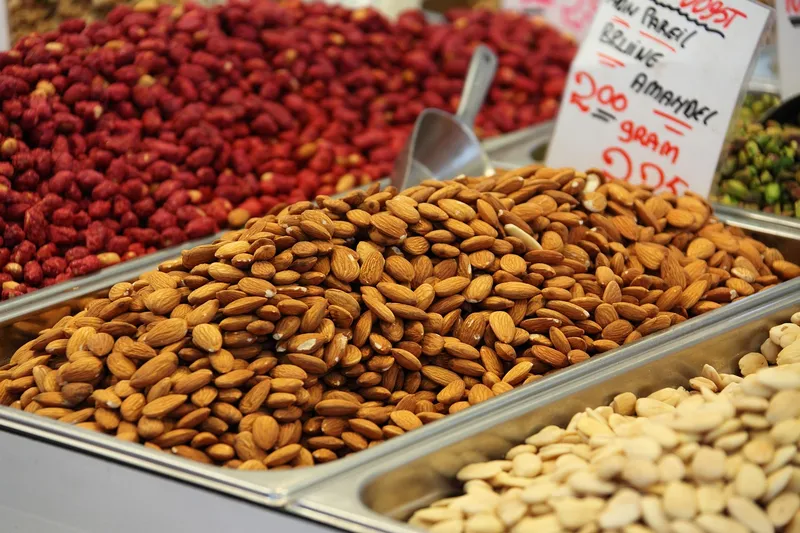
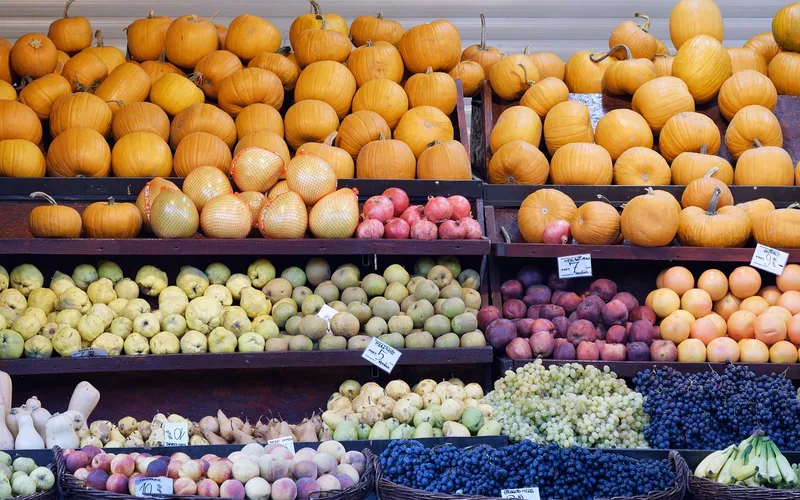
Many items are exempt from mandatory labeling, including fresh or frozen fruits and vegetables, eggs, nuts, and single-ingredient meats.
Does 'natural' mean a food is healthy?
No, labels like "natural" or "eco" are often used as marketing tools and do not necessarily reflect the actual nutritional value of the food.