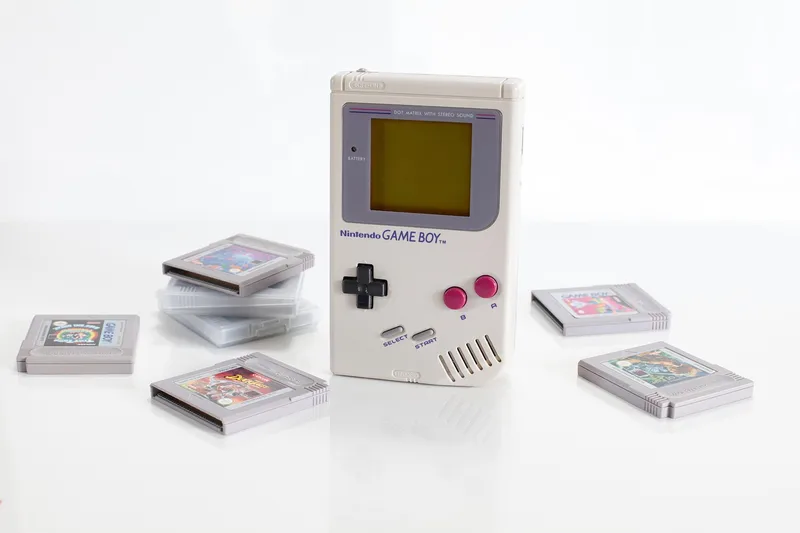
The landscape of retro gaming is shifting rapidly as new AI tools allow hobbyists to move classic titles onto unexpected platforms like iPhones, web browsers, and mixed reality headsets. While this technology enables a surge of viral projects, it is creating tension within communities dedicated to the meticulous preservation of gaming history.
How do these AI ports work?
Most of these projects rely on a technical process known as "decomp and recomp," which stands for decompiling and recompiling. This involves reverse-engineering a game by breaking its original code into basic building blocks and then rebuilding it to function on hardware it was never designed for.
Traditionally, this is a slow, manual task that can take years of dedicated labor. However, AI has fundamentally changed the timeline:
- AI speeds up the analysis of original code.
- It assists in reassembling pieces for new systems.
- It allows individuals to manage dozens of projects simultaneously.
Is the speed worth the cost?
While the increased productivity is undeniable, many preservationists worry that the rise of AI-driven retro gaming ports might undermine the quality of digital archiving. The primary concern is that when AI handles the heavy lifting, the deep technical understanding gained from manual reverse engineering is lost. Critics argue that simply making a game playable on a new device is not the same as truly understanding how it was built.
Shigeru Miyamoto, the creator of Super Mario, recently addressed the impact of such technology. Comparing AI to the evolution of word processors, he noted that while tools can automate technical tasks, they cannot replace human intent. Miyamoto suggested that as AI handles more labor, it becomes even more vital for creators to focus on what makes a game meaningful, stating that "even if AI were to eventually handle everything, there will always be a role left for us to play."
FAQ
What is a decomp port?
It is a version of a game created by breaking down its original code (decompiling) and rebuilding it (recompiling) to run on modern devices.
Why is the community divided?
Some celebrate the ability to play classics on new hardware, while others fear AI removes the deep learning required for true historical preservation.