Engaging in creative hobbies can provide significant neurological benefits, offering both a way to manage immediate stress and a long-term defense against cognitive decline. Recent scientific insights suggest that the repetitive motions found in many manual arts serve as more than just a pastime; they act as a tool for mental stability and brain longevity.
Why is crafting good for mental health?
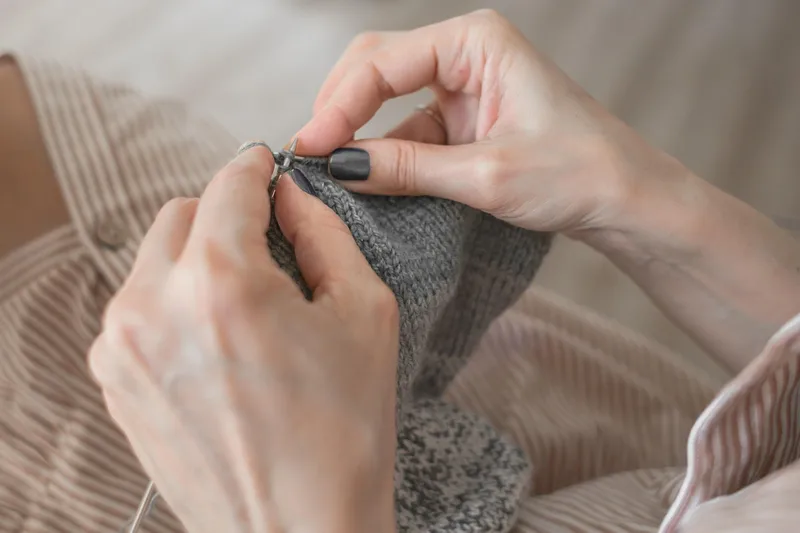
For many, the appeal of crafts such as crochet, knitting, or pottery lies in their ability to act as an "anchoring exercise." Yonas Geda, a neurologist at the Barrow Neurological Institute, explains that these activities can steady individuals experiencing distress by grounding them in the present moment. This rhythmic, tactile engagement can help quiet a racing mind.
Read also How mental health habits can support blood pressure management
Beyond emotional regulation, these activities offer several psychological advantages:
- Dopamine release: Repetitive artistic tasks can stimulate the brain's natural reward chemicals, creating a state of "flow."
- Mastery and purpose: Learning new techniques provides a sense of accomplishment that can boost mood.
- Social connection: Group settings, such as knitting circles, offer community support and opportunities to give back through charity work.
Can crafting protect against dementia?
Research indicates that these hobbies may also play a role in long-term cognitive preservation. A 2019 study published in the journal Neurology followed 2,000 individuals aged 70 and older, finding that those who participated in craft activities faced a 42 percent lower chance of experiencing mild cognitive impairment compared to those who did not.
Other studies highlight the diverse ways leisure activities impact the brain. For example, an Australian study involving 10,000 older adults found that creative arts like sewing can contribute to a 7 percent drop in dementia risk. While mental puzzles like chess or crosswords show even higher correlations for risk reduction, the consistent engagement in creative tasks remains a vital component of a holistic approach to brain health.
FAQ
Does the frequency of crafting matter?
Yes, the quality and quantity of the activity are important, with those practicing crafts five or six times a week seeing notable benefits.
Can a hobby become unhealthy?
Experts warn that if a person relies solely on a hobby for a dopamine rush, they may struggle if they face injuries or a lack of progress in their skills.