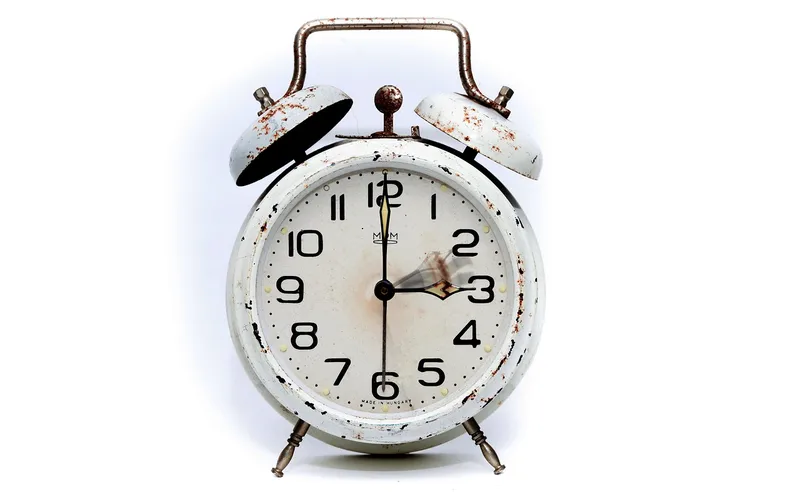
British Columbians will experience a significant shift in their daily routines this week as the province officially adopts permanent daylight saving time. On November 1, 2026, clocks will not be turned back, completing the transition to a year-round single time standard known as Pacific time (PCT). While the provincial government aims to improve evening light and reduce scheduling disruptions, medical experts are warning of potential long-term health impacts.
What are the benefits of the change?
The provincial government maintains that the move to permanent daylight saving time will provide several advantages for residents and businesses. By remaining on PCT, the province hopes to:
Read also Canada's new time patchwork creates morning darkness risks
- Provide an extra hour of usable light during winter evenings for leisure and outdoor activities.
- Minimize disruptions to sleep patterns and school schedules caused by twice-yearly adjustments.
- Reduce the administrative burden on small businesses that must frequently reprogram systems.
This decision follows a 2019 public engagement where 93% of participants supported year-round daylight saving time.
Why are health experts concerned?
Despite the promised evening benefits, many scientists argue that the province has overlooked the physiological consequences of the new time zone. Unlike standard time, which aligns the clock with the sun being directly overhead at noon, permanent daylight saving time results in much darker winter mornings.
Dr. Alex Choi, a medical health officer for Vancouver Coastal Health, noted that without morning light, the body struggles to regulate its internal clock. Experts have raised several specific concerns regarding this shift:
- Circadian Rhythms: Chronic sleep deprivation may occur as bodies struggle to sync with natural solar cycles.
- Youth Development: Children and adolescents may face increased risks regarding mood, learning, and attention.
- Public Safety: Darker mornings could lead to higher injury rates for students walking to school and increased risks for commuters and roadside workers.
FAQ
Will I need to change my clock on November 1?
No. Unlike previous years, you will not set your clocks back one hour this November; they will remain on the current time.
Is this change happening across all of Canada?
No, B.C. is moving independently, though other jurisdictions like Alberta and Manitoba will also not "fall back" on November 1.