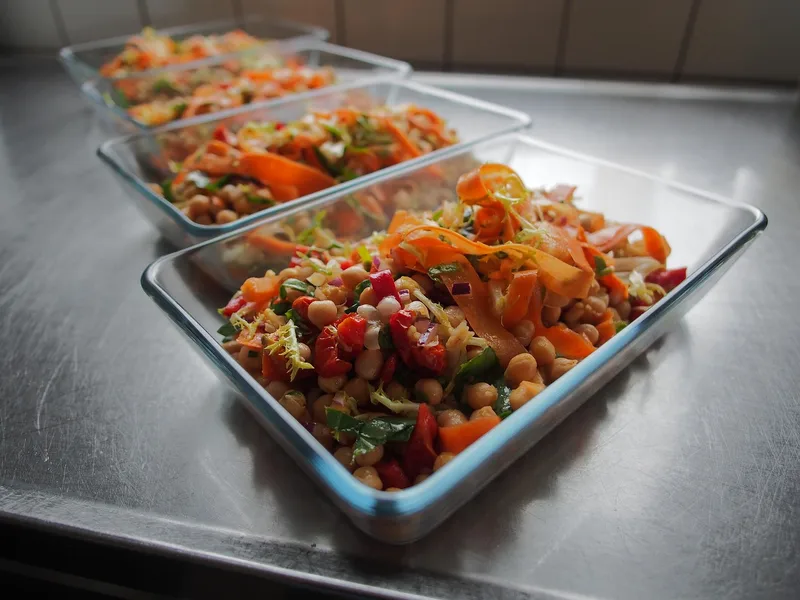
A $91,300 grant from the Ontario Trillium Foundation is currently supporting OUTLoud North Bay in its mission to combat food insecurity. The funding enables a year-long pilot program that teaches residents how to stretch their food dollars through hands-on cooking and budgeting workshops.
How does the program work?
The initiative focuses on providing marginalized youth and community members with practical tools for independence. By working with a registered dietitian and a local chef, the organization developed a 12-module curriculum that includes:
- Basic culinary techniques and safe food storage
- Meal planning and batch cooking
- Grocery shopping strategies and label reading
- Using coupons and food-rescue initiatives
In addition to workshops, the program provides regular community meals to foster social connection. It also offers a digital toolkit with downloadable resources for those unable to attend sessions in person.
Strengthening community food networks
This North Bay initiative is part of a broader landscape of food security efforts across the province. While OUTLoud North Bay focuses on skill-building, other organizations are addressing different logistical needs. For example, Humanity First in Thornhill recently used a $147,000 Ontario Trillium Foundation grant to purchase vehicles for more efficient food donation pickups and deliveries.
Similarly, Pelham Cares recently completed renovations to its Highway 20 food bank, adding a new teaching kitchen and a walk-in cooler to better manage perishable donations. These various investments—ranging from transportation to infrastructure and education—highlight a multi-pronged approach to ensuring vulnerable populations have reliable access to nutrition.
Why is this investment necessary?
The program aims to address both the physical need for nutrition and the financial need for better resource management. Seth Compton, Executive Director of OUTLoud North Bay, noted that the funding helps build "essential life skills among marginalized youth and community members."
By teaching participants how to prepare healthy meals on a budget, the program seeks to improve long-term health and financial stability. This approach moves beyond immediate food relief to empower individuals with the knowledge to manage their own food autonomy.
FAQ
What is the goal of the North Bay pilot?
The goal is to reduce food insecurity by teaching participants essential cooking, budgeting, and meal-planning skills.
Who is the program designed for?
The program is designed to be low-barrier, specifically targeting marginalized youth and various community members in the Nipissing area.