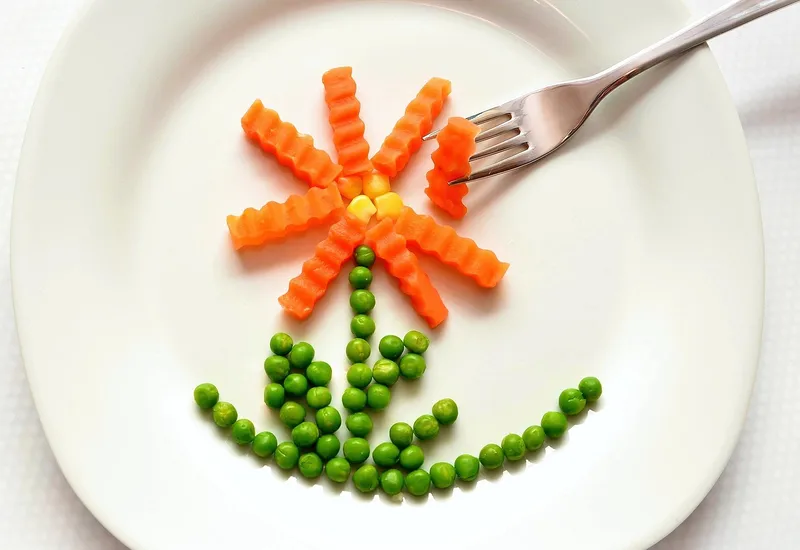
A new wellness trend known as pea-maxxing is taking over social media, encouraging users to center their diets around this small legume. Driven by viral content on TikTok, the movement focuses on using peas to optimize protein and fiber intake in various meals. While the trend is gaining momentum, nutritionists suggest focusing on overall dietary consistency rather than extreme optimization.
What is pea-maxxing?
This trend involves incorporating large amounts of peas into daily meals to achieve specific health goals. Influencers have popularized the concept through "pea propaganda," sharing recipes that range from savory dishes to sweet additions like chocolate chia pudding. The goal is to use the vegetable as a tool for maximizing nutritional density.
Read also The hidden costs of the viral olive oil wellness trend
The drive for dietary optimization
The appeal of these "maxing" trends often lies in the promise of a single, optimized action that can lead to a perfect body or a perfectly functioning mind. However, nutritionists argue that this mindset can create unnecessary pressure.
Registered dietitian Nishta Saxena suggests that health is built through small, consistent habits rather than chasing a single, perfect food. She notes that while peas are "wonderfully nutritious," there is no need to turn a kitchen into a laboratory or consume them by the bag to see results. Instead, she recommends finding a moderate range that fits into a person's existing lifestyle.
Are the nutritional benefits real?
Experts confirm that peas are a highly nutritious food choice. Whether purchased fresh, frozen, or in pods, they provide several key components:
- Soluble fiber for digestive health
- Plant-based protein
- Vitamins A, C, and E
Adding more peas to your diet is a cost-effective way to increase fiber, which many people lack. Health Canada recommends that adults consume 25 grams of fiber daily, a target many Canadians currently miss.
How to increase fiber safely
If you decide to try pea-maxxing, experts advise a cautious approach. Increasing fiber too quickly can lead to bloating, gas, or abdominal discomfort. The World Gastroenterology Organisation recommends increasing fiber intake gradually over several weeks to allow the digestive system to adjust. Those with chronic gut issues should consult a professional before making significant dietary changes.