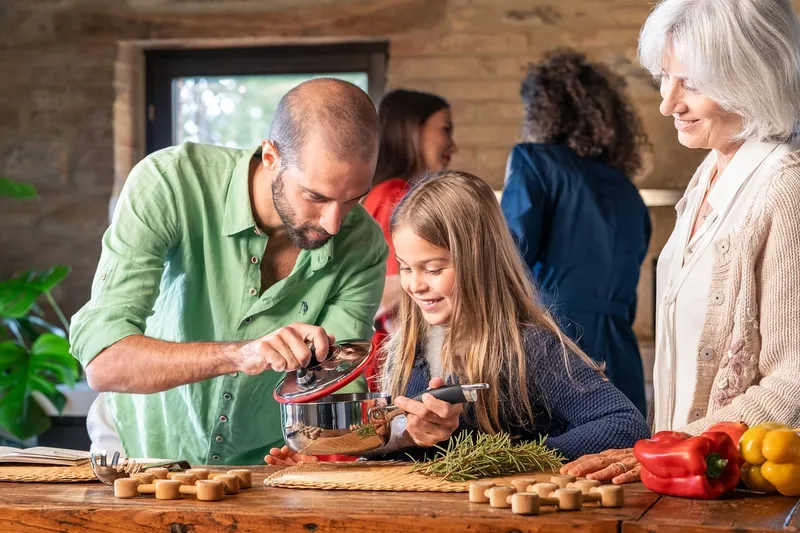
The U.S. Department of Health and Human Services (HHS) has launched the Healthy Cooking in Communities Initiative, a $9 million program designed to improve national wellness through practical education. The initiative will provide at least 1,800 hands-on cooking demonstrations across the country to help families master the art of preparing nutritious and affordable meals.
How will the program reach families?
The total funding was split into three equal $3 million portions. One went to the Extension Foundation, one to the National Recreation and Park Association (NRPA), and one to the grocery chain Kroger. Each recipient is responsible for organizing a minimum of 600 face-to-face sessions across no fewer than 40 different sites during a 15-week window. To ensure the program reaches a wide demographic, these organizations will work alongside several local partners, such as:
Read also New grocery support program improves nutrition for Californians
- Educational institutions and food pantries
- Local health systems and community clinics
- Religious groups and Tribal organizations
- Neighborhood parks and grocery stores
What is the focus of healthy cooking in communities?
Following the standards set by the 2025–2030 Dietary Guidelines for Americans, the curriculum focuses on essential life skills. Participants will receive instruction on food safety, meal preparation, and how to interpret nutrition labels. The initiative also prioritizes financial wellness by teaching people how to plan meals and shop within a strict budget. In some instances, attendees may even receive price reductions on the specific items used in the lessons.
As HHS Secretary Robert F. Kennedy, Jr. noted, the goal is to provide tools that help families "stretch their grocery budgets" while taking charge of their physical well-being. By moving nutrition education from broadcast media into local neighborhoods, the department hopes to make healthy eating a practical reality for everyone.
FAQ
Where will these demonstrations take place?
While the exact schedule and specific venues have not been finalized, the program will utilize community hubs like grocery stores, parks, and local centers.
Who is funding this initiative?
The Office of Disease Prevention and Health Promotion, a division within the Office of the Assistant Secretary for Health, is providing the financial backing.