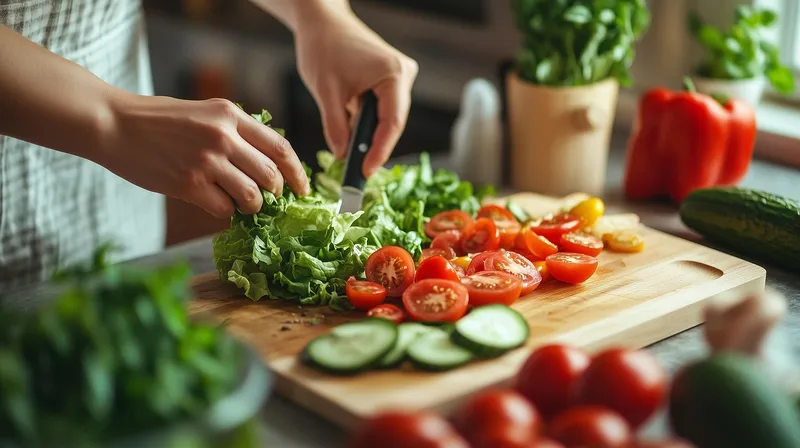
Effective meal prepping can help households across North America save money, reduce food waste, and meet nutritional goals. By adopting organized systems, families can avoid the stress of last-minute cooking and the high costs of impulse purchases or takeout.
How to streamline meal prepping?
Successful preparation starts with a plan rather than attempting entirely new recipes every week. Chelsea King, a nutrition and food safety agent with K-State Extension, suggests building plans around familiar family favorites.
Read also Holiday meal planning: check recalls, cook safely
To maximize efficiency, consider these strategies:
- Batch cooking: Prepare extra portions of grains or roasted vegetables to use in future salads or breakfasts.
- Small sessions: If a single large prep day is unmanageable, break tasks into smaller weekday sessions like washing or chopping produce.
- One-pot methods: Cooking a large base, such as a chicken and vegetable stew, allows you to create various meals like pot pies or soups later.
- Freezer organization: Store pre-cut vegetables or portioned meals in labeled, freezer-safe containers to avoid "mystery rectangles."
Can meal prepping reduce grocery costs?
Taking inventory of your pantry and refrigerator before shopping is a vital step to avoid buying duplicates. Being intentional with a shopping list helps prevent impulse buys that contribute to waste.
Shoppers can also find savings by being strategic about where they buy food. Research from Consumer Reports indicates that prices for identical grocery baskets can vary by over 33 percent depending on the retailer. While warehouse clubs and discount chains often offer the lowest prices, mixing trips between different stores can help stretch a budget further.
Managing holiday food safety
During busy seasons, food safety becomes a primary concern. When preparing large meals, it is essential to use a calibrated thermometer to ensure meats reach safe internal temperatures, such as 165°F for poultry and casseroles.
When managing leftovers, avoid overloading the refrigerator. To prevent bacterial growth, place leftovers in shallow containers and ensure they are refrigerated within two hours. For large items like turkeys, allow approximately 24 hours of thawing time for every five pounds of meat in the refrigerator. Using proper freezer-safe containers rather than old yogurt tubs is also critical for maintaining food quality.
FAQ
What is the best way to store leftovers?
Place leftovers in small, shallow containers and ensure they are refrigerated within two hours to stay out of the temperature danger zone.
How can I prevent food waste?
Plan meals around guest headcounts, use seasonal produce, and freeze surplus food in properly labeled, freezer-safe containers for later use.