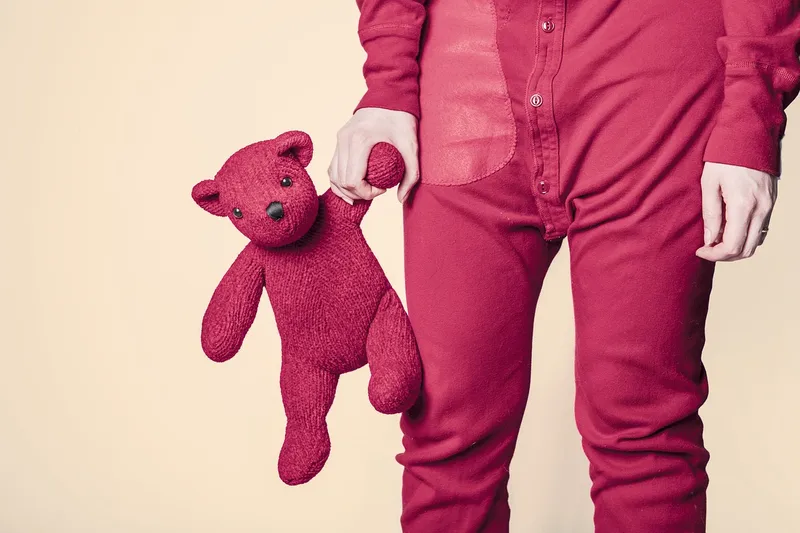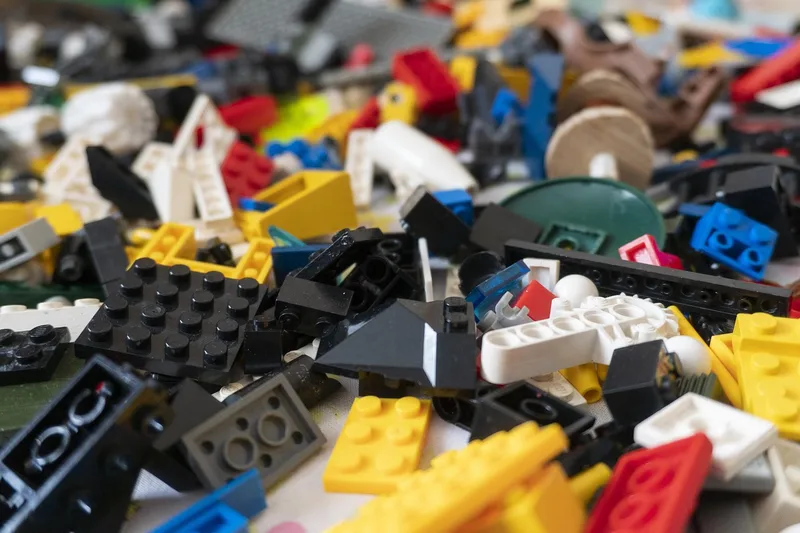
Adults are now the fastest-growing customer base in the U.S. toy business, a shift the industry calls kidulting. In the first half of 2026, households without children accounted for 55% of toy sales, slightly ahead of homes with kids, according to Circana data released in August.
Why are adults buying more toys?
Much of the demand is tied to stress and self-care. In The Harris Poll's Rise of Kidulting report, released October 21, 80% of Americans said they had done something playful for their own enjoyment in the past year, and 52% described such activities as a main form of self-care. About half said they would rather buy a blind box, build a model or collect toys than talk to a therapist, go for drinks or attend a party.
Read also Wicked dolls and CVS toy aisles target adult collectors
Nostalgia and hands-on play are also factors. Ali Furman of PwC said licensed products tied to franchises like Star Wars or Barbie appeal because they connect to "an identity or community that they already care about."
How much are adults spending on toys?
The sums are substantial. In the Harris Poll survey of 2,158 adults, roughly two-thirds reported laying out $100 or more on playful goods or activities for themselves between June 2025 and June 2026, and about one in eight said they spent $500 or more.
Spending skews young. A majority of Gen Z and Millennial respondents, 57%, had bought themselves a blind box or mystery box in the past year, compared with 16% of Gen X and Boomers.
What are retailers doing about it?
Retailers are now planning holiday assortments with adults in mind. A PwC survey published September 8 pointed to screen-free gifts such as puzzles, classic board games and craft projects as likely seasonal winners, and Furman said many of those items are designed for grown-ups.
Consumers also want more places to play. In the Harris Poll, 62% said they would like more adult-only nights at theme parks, museums or zoos, and 77% said brands underestimate how much adults want playful experiences built for them.
Not every company is chasing the segment. Toy maker Jakks Pacific credited its third-quarter growth to a focus on children, according to Kidscreen.
FAQ
What does kidulting mean?
It describes adults buying or taking part in playful products and experiences traditionally associated with childhood, such as collectibles, model kits, blind boxes and games.
Is the trend limited to the United States?
The Harris Poll data covers U.S. adults, but similar behavior appears elsewhere; a Berlin department store now sells plush toys at a dedicated counter aimed partly at grown-up shoppers, according to Express.