Millennials and Gen Z are increasingly participating in the 'kidult' trend, purchasing toys and collectibles traditionally aimed at children. This shift toward adult toy consumption is transforming the industry as younger generations use their own disposable income to buy items they once desired during childhood.
Why is the kidult market growing?
Several psychological and economic factors are fueling this movement. For many, these purchases serve as a way to reconnect with the past or find comfort in a stressful global economy.
Read also Wicked dolls and CVS toy aisles target adult collectors
- Nostalgia: Re-releasing classics like Tamagotchi helps consumers revisit their youth.
- Stress Relief: Activities like building complex Lego sets are described as "therapeutic, peaceful" tasks.
- Financial Independence: Unlike children, adults now have the purchasing power to buy high-end collections.
According to research from Circana, adult-only households accounted for more than half of all toy sales in the first half of this year, with overall adult toy sales rising by 25%.
What are people buying?
The range of products favored by kidults extends far beyond simple playthings. Many items are now treated as sophisticated hobbies, home decor, or even investment pieces. Popular categories include:
- Building Sets: High-detail Lego models, including automotive themes.
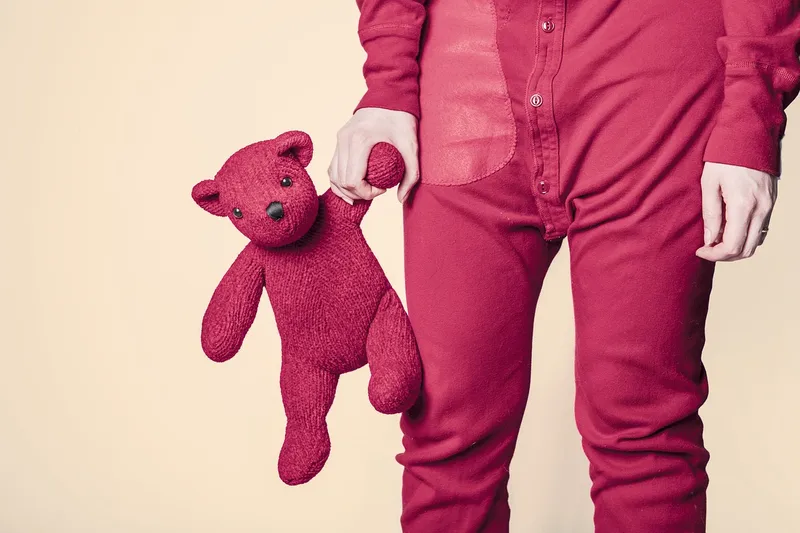
- Plushies: Brands like Jellycat have seen massive popularity among adults seeking soft, comforting items.
- Collectibles: Pokémon cards, vintage dolls, and Hot Wheels cars.
How does this impact the economy?
This trend is becoming a significant commercial segment. While some collectors buy items to express their personal identity or join communities, others view them as potential profit opportunities. Market experts note that hobby spending is often resilient, even when the broader economy fluctuates, as people continue to invest in personal interests and premium materials.
FAQ
What does the term 'kidult' mean?
It is a portmanteau of the words "kid" and "adult," referring to adults who enjoy products typically marketed to children.
Is this a new phenomenon?
While the term is modern, adults have long collected items like model trains, coins, or stamps; the current trend is unique because classic childhood toys are now entering the adult market in larger volumes.