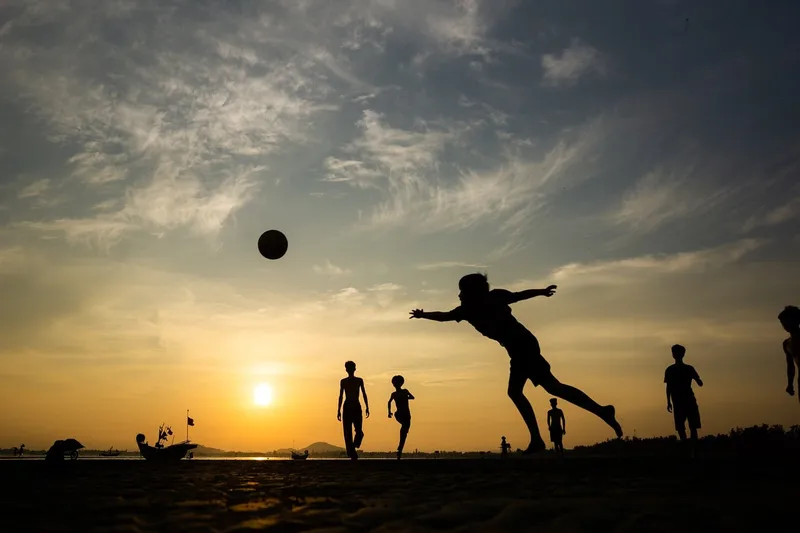
As youth sports participation grows, a movement is underway to replace traditional arena snacks with better nutritional choices. From Saskatchewan hockey rinks to specialized hydration research, experts are working to ensure that the food available at recreational facilities supports, rather than hinders, physical activity.
Improving healthier food options
In many Canadian sports centers, menus have traditionally been dominated by deep-fried items like chicken nuggets, burgers, and fries. To combat this, researchers at the University of Saskatchewan are collaborating with local facilities to introduce better alternatives. This initiative includes:
Read also Nutritional showdown: Choosing the best healthy food options
- Partnering with the City of Moose Jaw to update canteen menus.
- Testing new cooking methods to make common items, like crispy chicken, more nutritious.
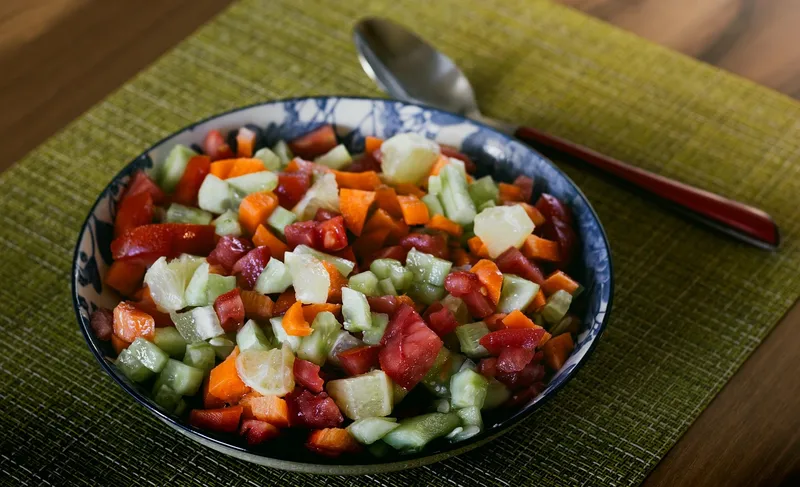
- Introducing homemade items such as dumplings, salad rolls, and fresh fruit.
One canteen owner near Prince Albert reports that fresh, homemade dishes sell at similar rates to traditional snacks, noting that they "sometimes run out of the stocks" because they are so popular.
Can hydration be optimized?
Beyond solid food, the science of what athletes drink is also evolving. New developments are focusing on the specific needs of growing bodies, which differ significantly from adults. For example, a project involving NAIT’s Centre for Culinary Innovation has worked on creating drinks specifically tailored to youth physiology, focusing on complex carbohydrates and electrolytes.
Research is also exploring the efficacy of different formulas. A study from Arizona State University found that a sugar-free electrolyte drink containing allulose and amino acids improved fluid retention in active adults compared to plain water. While the study did not confirm if these sugar-free versions outperform traditional sugary sports drinks, the results suggest they are a viable tool for post-exercise rehydration.
FAQ
Why is youth-specific nutrition important?
Younger athletes have distinct physiological requirements for energy and hydration that differ from adults, making generic sports drinks potentially unsuitable.
How are sports centers changing their menus?
Facilities are moving away from deep-fried foods toward fresh, homemade, or differently prepared options to create a healthier culture around physical activity.