The US economy grew at an annualized rate of 3.4% during the third quarter, fueled by a massive investment boom that has persisted despite political and market volatility. This surge in spending by businesses and government entities has defied predictions that an unpredictable political climate would stall economic momentum.
What is driving the investment boom?
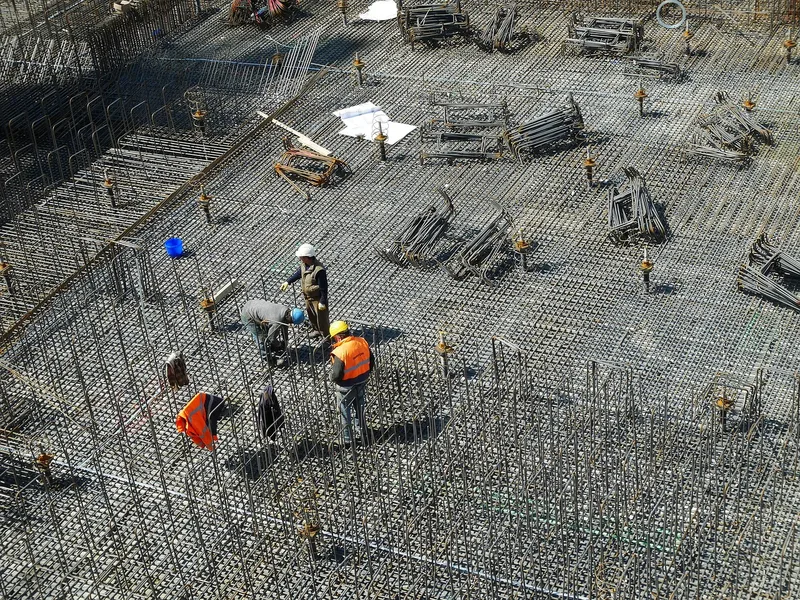
The primary catalyst for this growth is non-residential fixed investment, which saw an annualized increase of 12.7%. This category represents spending on capital goods, such as equipment and infrastructure, excluding residential housing.
Artificial intelligence (AI) is the central engine of this expansion. Specifically, the construction of massive data centers across the country has become a hallmark of the current economic cycle. Joe LaVorgna, chief economist at SMBC Nikko Securities America, noted that the scale of the AI build-out is one of the largest investment booms "going all the way back to the railroads."
Risks to the economic surge
Despite the strong numbers, several factors could threaten future stability:
- Tech Market Volatility: The heavy reliance on AI makes the economy vulnerable to swings in the technology sector. For instance, Alphabet recently lost $500 billion in market value in a single day following reports of negative cash flow related to its AI spending.
- Political Shifts: Following recent midterm elections, newly elected Democrats have pledged to halt the construction of data centers.
- Monetary Policy: To combat rising energy costs stemming from the Iran war, the Federal Reserve is anticipated to implement a 0.25% interest rate hike this December.
While major tech giants like Meta and Amazon may withstand higher interest rates, economists warn that smaller players in the AI ecosystem might struggle.
FAQ
What is non-residential fixed investment?
It refers to the money spent by businesses and the government on long-term capital assets like machinery and buildings, but it does not include housing.
Why are interest rates expected to rise?
The Federal Reserve is likely to increase borrowing costs to combat a surge in energy prices caused by the war in Iran.