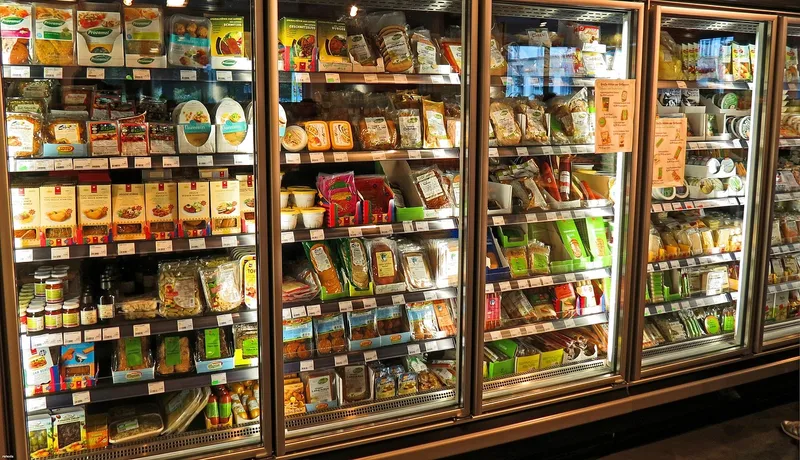
The top health official in the United States, Robert F. Kennedy Jr., is making another attempt to set an official federal standard for ultraprocessed foods. This effort is central to his "Make America Healthy Again" agenda, but a formal definition has not yet been shared with the public.
Why is the definition stalled?
The delay appears to be driven by a mix of regulatory review and political pressure. While the FDA and USDA requested data to help create a uniform classification in mid-2025, a proposed definition intended for an August release was reportedly held back by the White House.
Read also Over 250 hospitals join federal push for healthier meals
Reports suggest that food industry executives pressured officials to pause the rollout due to concerns regarding potential legal costs and new business requirements. Currently, the White House Office of Information and Regulatory Affairs is reviewing an FDA white paper on the matter. The recent resignation of Calley Means, a prominent advisor to Kennedy, has also added uncertainty to the timeline for these food policy goals.
What would a definition change?
Establishing a clear standard for ultraprocessed foods would not immediately change food prices, school menus, or packaging. Instead, it would provide a scientific baseline that regulators, researchers, and state lawmakers can use to create consistent policies.
Experts argue that a national standard is necessary because:
- It reduces confusion for manufacturers facing different rules in various states.
- It helps consumers make more informed dietary choices.
- It allows for consistent monitoring of food regulations.
How do these foods affect health?
Ultraprocessed foods are mass-produced items that make up a significant portion of the American diet. Data from the CDC indicates these products account for roughly 55 percent of daily calories for adults, with an even higher percentage consumed by children and adolescents.
Public health researchers have linked high consumption of these foods to several chronic conditions, including cardiovascular disease, type 2 diabetes, and mental health challenges. While scientists continue to study whether these risks stem from specific ingredients or the processing methods themselves, many advocates are pushing for warning labels to increase transparency.
FAQ
Will this definition make food more expensive?
No, experts note that publishing a definition does not automatically impose new costs on retailers or increase the price of goods.
Is there currently a US standard?
There is no single authoritative definition in the United States, which leads to different classification systems for the same products.