A growing number of home cooks are turning their kitchens into professional workspaces, launching micro bakeries and porch stands to sell goods directly to neighbors. This shift toward home-based food businesses is being fueled by new digital platforms and changing state laws that make it easier to reach local customers.
Why are micro bakeries growing?
Several factors are making it easier for individuals to transition from hobbyists to entrepreneurs. Digital marketplaces are providing the necessary infrastructure for sales, while many regions are updating their legal frameworks.
- Platform Growth: Signups on the home chef platform Hotplate doubled in July, while the new service Potluck saw over 1,000 sellers join across 48 states within two months of its summer launch.
- Regulatory Shifts: In Colorado, the "Tamale Act" now allows cooks to sell items containing meat or those requiring refrigeration, expanding beyond traditional low-risk cottage food laws.
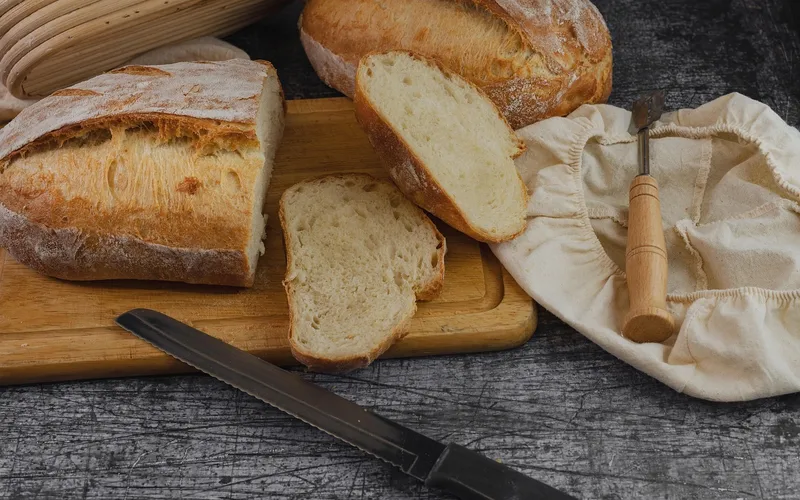
- Low Overhead: Operating from home allows creators to minimize startup costs while offering unique items like sourdough or specialty loaves.
What are the benefits and risks?
For many, these businesses offer a way to earn extra income without leaving a full-time job. Brooke Chambers, a baker from Fort Lauderdale, manages her sourdough business alongside a corporate career, earning over $4,000 in revenue since October 2025. She noted that while it is a challenge to manage, "It can be a lot to juggle."
However, the rise of home-based food production has sparked debate. While proponents celebrate the movement as a way to foster community and creativity, some public health officials and restaurant owners have raised concerns regarding food safety and the need for stricter standards.
How does this impact local food culture?
Customers often turn to these micro bakeries to find fresher ingredients or flavors that differ from large commercial chains. This trend emphasizes human connection and local sourcing in an increasingly digital world. As more states move toward loosening restrictions, the barrier to entry for aspiring food entrepreneurs continues to fall.