Millennials are fueling a trend marketers call "kidulting" — adults buying toys, games and childhood-style experiences for themselves — and a new Harris Poll report shared with Fortune measures how far it has spread. In a survey of 2,158 U.S. adults conducted June 25–27, 80% said they had done something playful for their own enjoyment in the past year. The habit matters because it is shaping how a generation with little spare time spends money and manages stress.
What does the kidulting survey show?
The term covers adults enjoying products and pastimes traditionally tied to childhood, from collecting toys and building models to games, crafts and immersive outings. Among Gen Z and millennials, 71% bought board games or puzzles for themselves in the past year, 66% bought building or model kits and 65% bought craft kits, according to the report. Coloring and sticker books also reached 65%. Fifty-seven percent of Gen Z and millennials bought a blind box or mystery box — a sealed package containing a surprise collectible — compared with 16% of Gen X and boomers combined.
Why are blind boxes so popular?
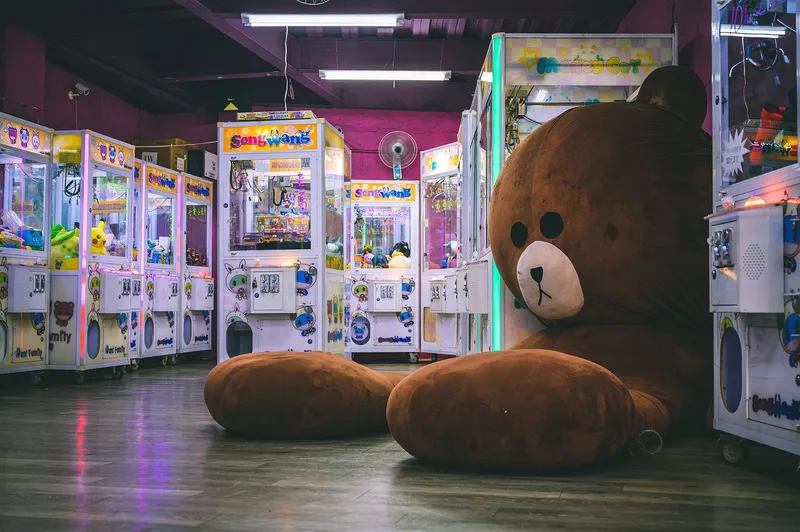
The appeal resembles an arcade claw machine: a small, affordable gamble on a reward you cannot see. Libby Rodney, chief strategy officer at The Harris Poll, told Fortune the format has "the same kind of psychological draw as a slot machine." The report also frames play as a coping tool. It found 52% of adults call kidulting one of their main forms of self-care, and 75% agree playful hobbies help them stay emotionally resilient. Among respondents who had played, 89% spent something on it, 65% spent at least $100 and 13% spent at least $500 in one or more categories.
Who spends the most on hobbies?
Older millennials, defined by Bank of America as those born between 1978 and 1988, spend more per customer on hobbies than any other generation, Fortune reported last month. In the three months through August, they spent a little more than twice what Gen Z did per customer, according to BofA card data. Overall hobby spending rose 7.9% year-over-year in August, more than double the 3.4% growth in transactions. BofA's category covers arts and crafts, hobby shops, ski resorts, outdoor retailers, educational toys and some toy stores, but excludes video games, golf and travel, so it is not a direct measure of blind-box buying.
What happens next?
The same group has the least free time: Americans ages 35 to 44 average about four hours and 15 minutes of leisure a day, the lowest among age groups in BofA's data. That combination — short leisure hours and heavy hobby spending — suggests small, nostalgic purchases are becoming a routine part of adult budgets. The Harris Poll data cannot show how much of that money goes to personal collections versus purchases for children, leaving room for further research.
FAQ
What is a blind box?
A blind box is a sealed package containing a surprise collectible, so the buyer does not know which item is inside until it is opened.
Is kidulting only for young adults?
No. The Harris Poll found 80% of U.S. adults took part in playful activities for their own enjoyment, though blind-box buying is far more common among Gen Z and millennials than among older generations.