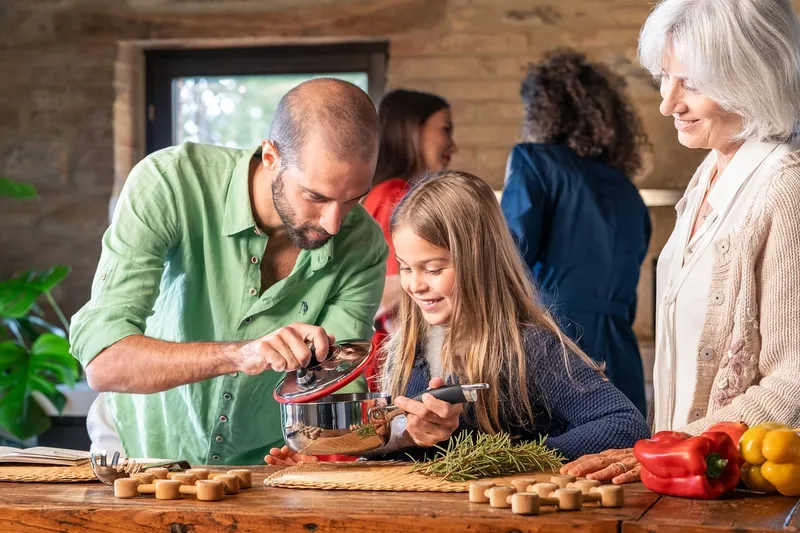

As families across the United States and Canada prepare for Thanksgiving and winter celebrations, health professionals are urging the public to adopt intentional wellness habits. While holiday schedules often disrupt regular routines, small adjustments in nutrition, hygiene, and food handling can significantly mitigate seasonal health risks.
Preventing the spread of viruses
With the seasonal rise of respiratory illnesses such as the flu, COVID-19, and RSV, experts emphasize that hygiene is a primary defense. To protect yourself and your guests during large gatherings, health officials recommend:
Read also Smart meal prepping can save time and money
- Washing hands frequently with soap and water.
- Staying home if you are feeling unwell to avoid hosting others.
- Disinfecting frequently touched surfaces.
- Staying up to date with seasonal vaccinations.
Additionally, circulating fresh air through your home can help maintain a healthier environment when people are congregating in groups.
Balancing nutrition and movement
Maintaining physical health during the holidays involves managing richer meals and increased stress. To implement simple ways to keep yourself healthy this holiday season, consider these strategies:
- Portion management: Aim for one plate per meal and prioritize including fruits and vegetables.
- Hydration: Drink plenty of water to help regulate the body amidst extra calorie consumption.
- Consistent activity: If a full workout is not possible, even five minutes of movement can help maintain energy and manage stress.
Essential food safety rules
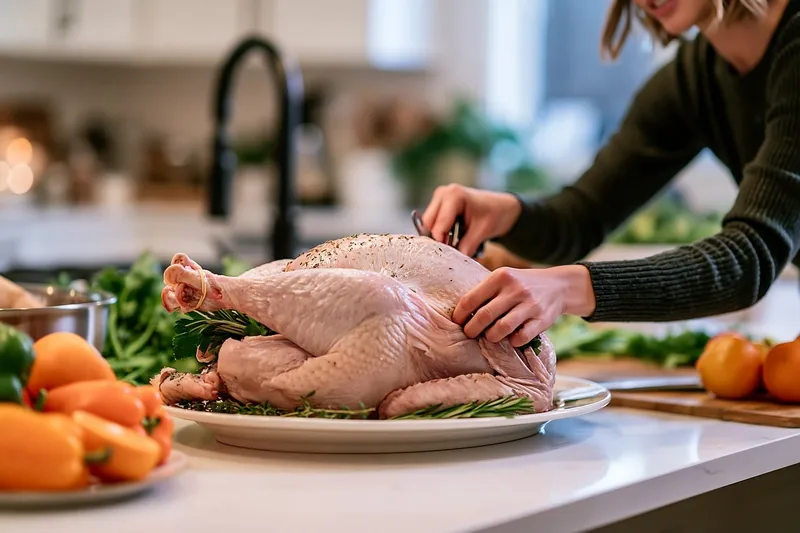
Foodborne illnesses remain a risk during festive hosting. To prevent bacteria from multiplying, avoid leaving perishable food in the "danger zone" between 40°F and 140°F. Experts note that any food left out for more than two hours should be discarded.
When preparing meals, do not rinse raw poultry, as this can spread germs to other surfaces. For leftovers, use a food thermometer to ensure everything is reheated to an internal temperature of 165°F. Using shallow containers can also help leftovers cool more quickly when being placed in the refrigerator.
FAQ
How long can food sit out safely?
Perishable items should not be left out at room temperature for longer than two hours.
What is the safest temperature for reheating food?
All leftovers, including gravies and meats, should be reheated to an internal temperature of 165°F.