Kroger is rolling out a national healthy cooking initiative this winter, backed by a $3 million federal grant from the U.S. Department of Health and Human Services. The effort is designed to reach roughly 1.2 million to 1.8 million shoppers in suburban and rural communities and encourage them to swap ultra-processed foods for whole-food diets.
What will the program include?
The initiative, part of the "Make America Healthy Again" (MAHA) program, focuses on practical education and financial incentives. Key components of the rollout include:
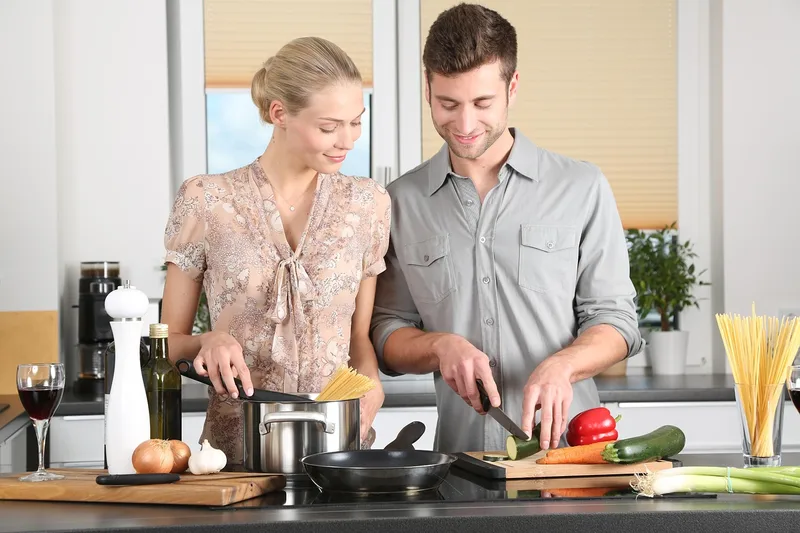
- Over 7,000 cooking demonstrations held at nearly 500 store locations.
- The distribution of 750,000 vouchers, valued between $5 and $20, to assist with the cost of fresh ingredients.
- Social media and local outreach to promote healthy eating habits.
This effort targets the high consumption of processed goods in the United States. Research from the Stanford University School of Medicine indicates that most calories eaten by Americans—roughly 60% for adults and 70% for children—come from ultra-processed sources. Medical professionals link these diets to increased risks of conditions such as hypertension, type 2 diabetes, and obesity.
Why is the grant controversial?
While the program intends to build a "healthier, stronger America," it has faced criticism from various watchdogs. Some groups argue the federal funds act as a marketing gift that could boost Kroger's sales.
Specifically, critics have raised concerns regarding data privacy. The program aims for a "statistically significant sales lift" in whole food categories, and progress will be monitored using 84.51°, Kroger’s data-gathering subsidiary. Some observers suggest this allows the company to use taxpayer money to enhance its customer surveillance capabilities.
Additionally, the Center for Science in the Public Interest has claimed that the MAHA program's public health assessments may selectively use scientific data to support specific dietary biases.
FAQ
Which areas will be affected by this initiative?
The cooking demonstrations will take place in nearly 500 stores across 28 different states, primarily targeting rural and suburban communities.
How can shoppers participate?
Shoppers can attend in-store demonstrations this winter to learn new cooking techniques and potentially receive vouchers to help purchase fresh, whole foods.