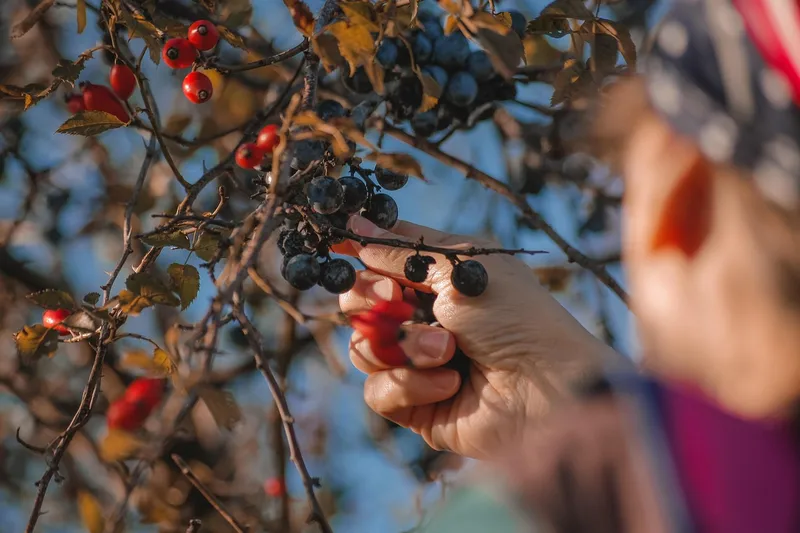
The practice of foraging wild food is seeing a surge in popularity, driven by social media personalities like Alexis Nikole Nelson, known as Black Forager. Rather than traveling to remote wilderness areas, many enthusiasts are finding edible plants in urban environments and local neighborhoods. This shift highlights a growing desire to reconnect with ecosystems through hands-on experience.
Why focus on backyard foraging?
Many people believe that nature is a distant destination requiring specialized gear and long treks. However, Nelson suggests that the most impactful ecological reconnection happens in local spaces, such as the dirt between a sidewalk and a street. This approach makes the practice more accessible by removing the need for expensive equipment or deep-woods navigation.
Learning through experience is often more effective than studying textbooks alone. Experts note that:
- Tactile, hands-on engagement helps internalize ecological systems.
- Repetitive observation of local plants builds long-term recognition.
- Small, local "loops" allow foragers to notice seasonal changes in soil and light.
How can you forage wild food safely?
Safety is the most critical component of the hobby. Foragers must avoid the temptation to use photo apps for quick identification, as color alone is often insufficient to distinguish between edible plants and toxic ones. A golden rule for beginners is to only consume items that can be identified with "one hundred percent certainty."
To build confidence without risk, consider these steps:
- Start with a short, repeatable walking route near your home.
- Use a notebook to map plants, noting growth habits and seasonal stages.
- Observe the same plants over several weeks to confirm their identity.
- Always check local regulations, as some nature reserves discourage harvesting to protect local wildlife.
FAQ
Is foraging bad for the environment?
While foraging can be a way to connect with nature, excessive harvesting can stress ecosystems. Some conservation groups ask visitors to limit picking to ensure food remains available for birds and mammals.
Do I need a botany degree to start?
No, but you should exercise caution and avoid eating anything you are not absolutely sure about. Many successful foragers are self-taught through observation and careful study.