First Nations leaders are convening in Ottawa for a historic summit with Prime Minister Mark Carney and various provincial premiers. This gathering, the first of its kind in two decades, aims to address critical Indigenous rights and the potential for a new path forward in Canadian governance.
Why is this meeting happening now?
Tensions between the federal government and Indigenous communities have risen following legislation passed after Mark Carney's 2025 election. The government created a new office to streamline major project approvals, aiming to complete reviews within a single year. However, many chiefs argue these compressed timelines threaten their legal rights.
Read also Canada launches first national security strategy in 20 years
Beyond legislative friction, several specific regional issues are driving the urgency of these talks:
- Land claim processes in British Columbia.
- The Pacific Link pipeline project in Alberta.
- Resource development in Ontario's mineral-rich Ring of Fire.
What are the First Nations priorities?
The Assembly of First Nations (AFN) has spent months preparing for this summit by holding town halls and circulating position papers. National Chief Cindy Woodhouse Nepinak emphasized that the goal is to move discussions from courtrooms into political rooms. The AFN is seeking commitments regarding:
- Economic prosperity and employment.
- Policing and public safety.
- Health and education.
- Constitutional rights.
To ensure this is not a "one-and-done" event, the AFN has drafted a "Declaration of a Shared Path Forward." If accepted, this document would commit all parties to meeting on an annual basis.
How did the summit begin?
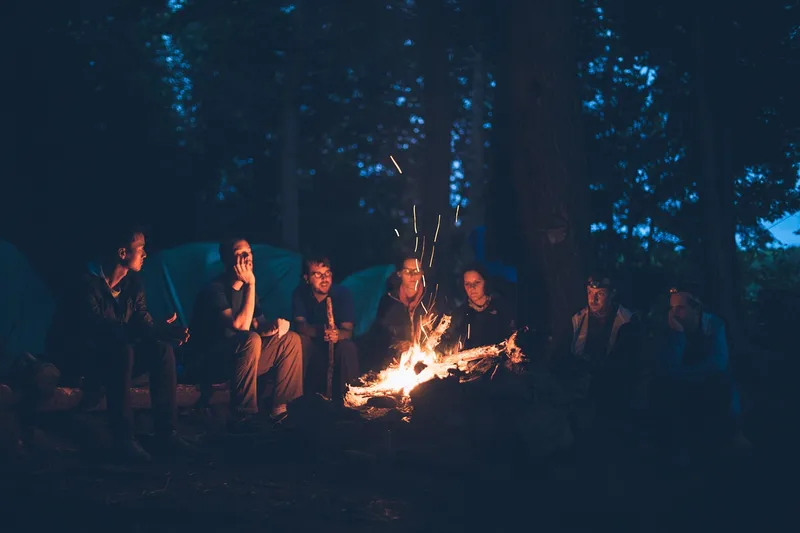
Before formal negotiations, a day of ceremony was held on Sunday to prepare leaders for the discussions. Participants gathered around a sacred fire, performing pipe and water ceremonies. While several premiers and federal ministers attended the ceremony, others sent only representatives. Amidst these formal proceedings, a grassroots collective met separately to strategize potential protests, drawing inspiration from the 2012 Idle No More movement.
FAQ
Will these meetings happen every year?
The AFN has proposed a declaration that would commit the federal and provincial governments to hold these meetings annually if the current summit is successful.
What is the main concern regarding project approvals?
First Nations leaders worry that the government's new one-year timeline for project development will bypass their rights and lead to legal challenges in court.