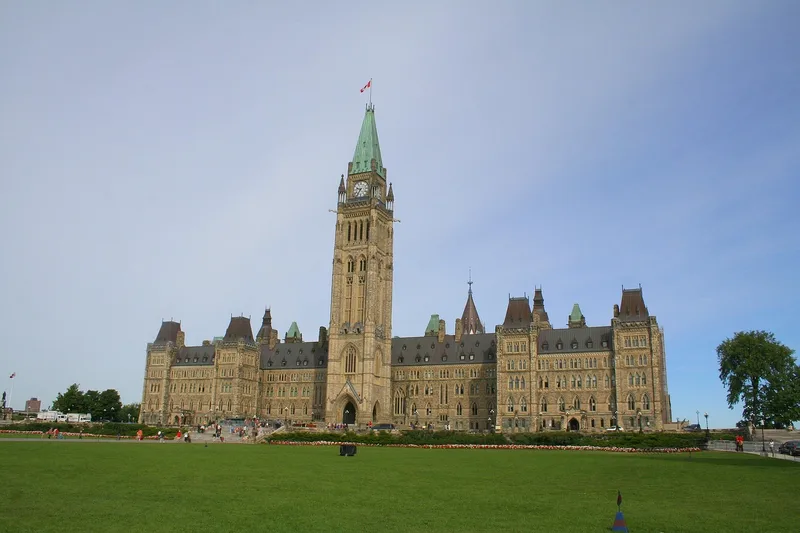
Prime Minister Mark Carney announced Wednesday that Canada is not currently prepared to finalize a trade agreement with the Trump administration. Speaking at Parliament Hill, Carney emphasized that Ottawa will only pursue an arrangement that serves the best interests of Canadians, noting that negotiators are "not in that position right now."
Why is the Canada U.S. trade deal stalled?
Negotiations between Ottawa and Washington have hit an impasse following a breakdown in talks this past August. While recent discussions have intensified, Canadian officials have described the actual progress as limited.
Read also Liberal fundraising surges ahead of Conservatives before by-elections
Several factors contribute to the current deadlock:
- Disagreements over sovereignty, specifically regarding Canada's ability to sign other international trade deals.
- Ongoing disputes over heavy tariffs on Canadian goods, including steel, aluminum, and automobiles.
- Unresolved "key elements" in the discussions that prevent an imminent agreement.
How do the U.S. midterm elections factor in?
The timing of these talks is critical as the United States prepares for midterm elections next Tuesday. The outcome of these votes will determine which party controls both houses of Congress, which are currently held by Republicans.
While President Donald Trump has suggested that a settlement is coming soon, Canadian officials have previously signaled to industry groups that no deal is expected before the November 3 vote. The trade situation has become a central campaign issue in the U.S., particularly as tariffs have impacted the cost of living for many Americans.
What happens next for the Canadian trade deal?
Canada continues to face significant economic pressure from American levies. Although the U.S. recently exempted 22 products from a 50 percent tariff, it simultaneously added 100 new products to the list of taxed goods.
As the U.S. elections conclude, the focus will shift back to whether the Trump administration will ease restrictions on Canadian exports or if Canada will continue its "dollar for dollar" retaliatory levies. The Canadian government maintains it will remain consistent in seeking a deal that protects national interests.
FAQ
Will a deal be signed before the U.S. midterms?
Currently, Canadian officials do not expect an agreement to be reached before the November 3 election date.
What was the main cause of the August negotiation failure?
Talks collapsed after the U.S. reportedly attempted to limit Canada's ability to enter into other trade agreements, a move Canada viewed as an issue of sovereignty.