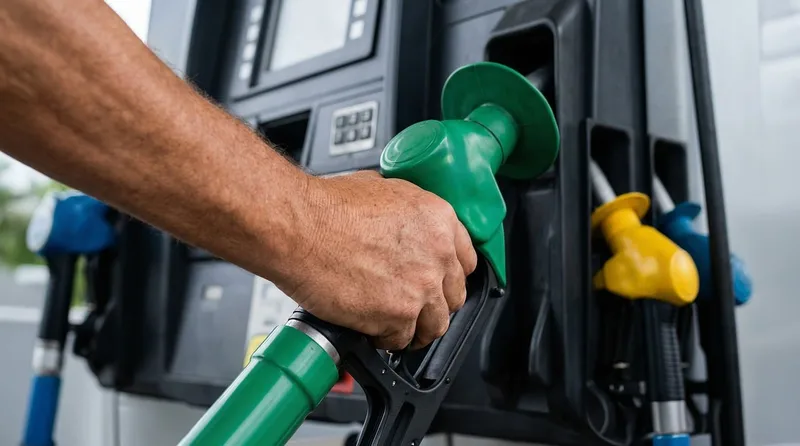
Gasoline and diesel prices are trending downward across the United States and Canada, providing relief to consumers following a period of high costs. This decline is driven by a combination of seasonal demand shifts, increased global oil production, and easing geopolitical tensions in the Middle East.
Why are gas prices falling?
Several interconnected factors are contributing to the current downward trend in fuel costs. First, seasonality plays a major role; as temperatures drop, fewer people travel, which reduces overall demand. Additionally, refineries have transitioned to a winter fuel blend that is less expensive to produce than summer varieties.
Read also Global stocks rise as falling oil prices ease inflation fears
Supply dynamics are also shifting significantly:
- Global Production: Iraq recently restarted a major pipeline to Turkey after a 12-year halt, increasing crude flows.
- U.S. Output: U.S. crude production has reached new record highs, and recent data showed a larger-than-expected rise in domestic fuel inventories.
- Shipping Stability: While conflict persists, increased tanker traffic through the Strait of Hormuz—aided by U.S. military escorts—has helped stabilize the flow of oil.
What is the impact on drivers?
The impact varies by region and fuel type. In the United States, the national average for regular gasoline has dipped below $4 per gallon for the first time since July. In Canada, national averages have fallen by approximately 28 cents per litre over the last month, with some areas in Calgary seeing prices drop below $1 per litre.
However, diesel remains a concern for many. In the U.S., diesel is averaging $5.95 per gallon, which is significantly higher than the $3.77 per gallon seen during the same period last year. This higher cost affects the heavy equipment and trucking sectors that drive the broader economy.
What to watch for next
While analysts suggest prices may stabilize or even drop slightly more in the coming weeks, the market remains sensitive to international conflict. Any escalation in the U.S.-Iran war or renewed attacks on Russian oil refineries could quickly drive prices back up. Conversely, if the global market enters a surplus as predicted by the International Energy Agency, prices may remain low.
FAQ
Is the price drop permanent?
Not necessarily; while seasonality provides a buffer, sudden geopolitical escalations in the Middle East could cause prices to spike again.
Why is winter gas cheaper?
Refiners produce a specific winter blend that is less expensive to manufacture than the summer versions used during peak driving months.