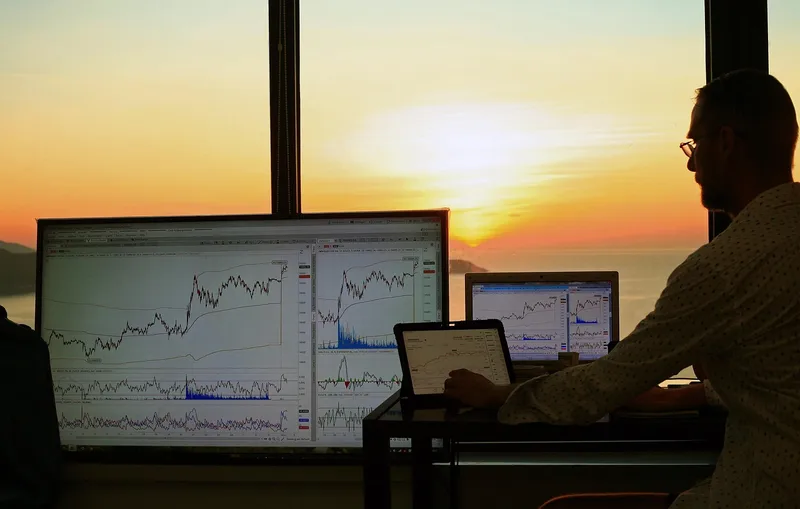
The U.S. stock market is searching for stability following a period of intense selling that has pushed major indices into correction territory. Investors are closely monitoring upcoming economic data to determine if the current downturn is a temporary dip or the beginning of a deeper decline.
What is driving the market volatility?
The recent selloff has been fueled by growing uncertainty surrounding the artificial intelligence sector. Despite a strong quarterly report from Nvidia and the high-profile public debut of AI lab Anthropic, heavyweight technology stocks have faced significant pressure. Doubts have emerged regarding the sustainability of massive spending on AI infrastructure and data centers.
Read also Black Friday sales to test US consumer spending strength
Additional pressures include:
- Fears of rising interest rates from the Federal Reserve.
- Concerns over high energy and borrowing costs.
- A sharp drop in the Nasdaq Composite, which erased its 2026 gains.
The context behind the tech pullback
For much of the last four years, a powerful bull market has been sustained by the rapid expansion of artificial intelligence. However, the recent "washout" has left many wondering if the sector's valuation is sustainable. This anxiety was compounded by news of Nvidia CEO Jensen Huang's departure and questions regarding the heavy financing required to maintain data center growth. While the market has historically rewarded those who buy during dips, the current sentiment remains fragile as investors struggle to decide if the AI-driven rally has finally cracked.
Will consumer spending provide a cushion?
With the holiday season beginning with Black Friday, analysts are looking toward retail performance as a potential stabilizer. Because household consumption represents nearly two-thirds of the total U.S. economic output, healthy holiday activity could bolster corporate earnings and offset tech sector weakness. Investors will watch earnings from retailers like Best Buy and Dick's Sporting Goods to gauge how consumers are managing inflation.
Key indicators to watch
To find a bottom, the market is looking for specific economic signals this week. The most critical data point is Wednesday's Personal Consumption Expenditures (PCE) report, which serves as the Federal Reserve's preferred inflation gauge. A cooler-than-expected reading could ease fears of aggressive interest rate hikes. Additionally, the market will react to earnings from major tech firms like Dell and Hewlett Packard Enterprise to see if the hardware side of the economy remains resilient.