The U.S. wellness market has reached a massive $1.16 trillion, yet a significant gap persists between consumer spending and actual health satisfaction. While over 93% of Americans prioritize wellbeing, only 38% report being satisfied with their current state, according to research from Circana.
Why is there a disconnect?
The rise of a "self-health" economy has shifted the responsibility for managing health from institutions directly onto individuals. This shift can lead to exhaustion as people face an "avalanche of available data" and constant pressure to optimize every aspect of their lives.
Read also US wellness market hits $1.2 trillion as habits shift
Key challenges facing modern consumers include:
- Difficulty interpreting complex biomarkers and ingredients.
- The mental load of deciding which experts or trends to trust.
- The struggle to maintain a structured routine, with only 18% of consumers following one consistently.
- The difficulty of determining which specific product actually drives a health result.
How are consumer wellness trends evolving?
As people become overwhelmed by the demands of constant optimization, the industry is seeing a move toward more manageable, outcome-led habits. Rather than chasing every new trend, consumers are increasingly viewing wellness as a system of integrated products, technologies, and behaviors.
In the beauty sector, this evolution is manifesting as a demand for greater transparency. Research from SLG Brands indicates that consumers are becoming more questioning and confident. For instance, 74% of beauty consumers believe brands should avoid using AI-generated models, signaling a preference for authentic and relatable imagery.
What should brands do next?
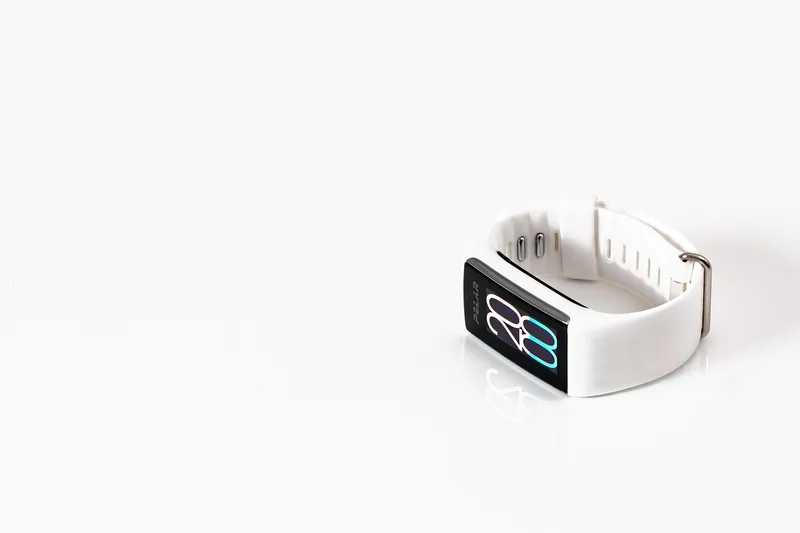
To capture future growth, experts suggest that companies must move beyond simple promises and focus on providing proof. As consumers use personal data and wearables to judge effectiveness, brands will need to demonstrate exactly how their products contribute to specific health outcomes. The next wave of market success likely belongs to those who make wellness feel achievable and easy to integrate into everyday life.