A long-term study published in the European Journal of Nutrition has found that consuming high-sugar foods more than twice a week is associated with a significantly higher risk of breast cancer. Researchers tracking tens of thousands of women found that frequent consumption of processed sweets, such as ice cream and sugary cereals, correlates with increased disease incidence.
What specific foods are most concerning?
The research, which involved over 71,000 women aged 40 to 69, identified several high-sugar categories. Women who indulged in these items more than two times every seven days faced a 28% higher risk of diagnosis compared to those who ate them less than once a month. Specific findings included:
Read also Alcohol and sitting linked to breast cancer risk in new research
- Sugar-sweetened cereal: Regular consumption was linked to a 34% higher risk.
- Ice cream: Eating this more than once a week was tied to a 26% higher risk.
Other categories studied included soft drinks, candy, chocolate, cakes, and cookies.
Does all sugar pose the same threat?
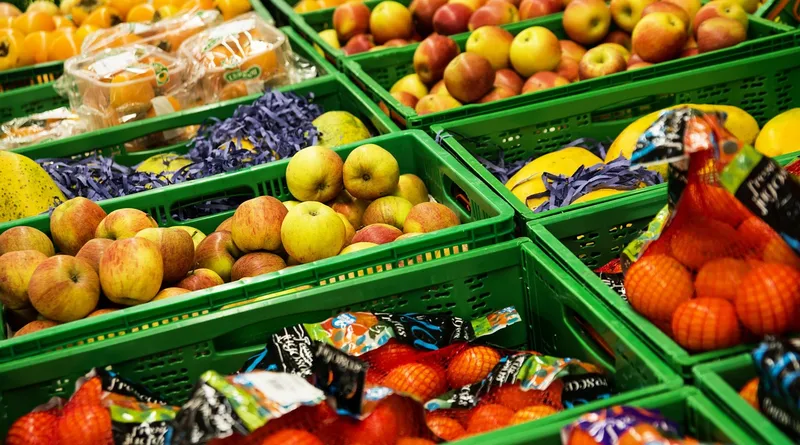
Interestingly, the study found that the source of sugar matters. While processed sweets showed a correlation with cancer, the sugar found in fruit did not. Participants consumed an average of 44 grams of sugar daily, with fruit accounting for roughly 43% of that total.
Researchers suggest that the nutrients in whole fruit, such as fiber, vitamins, and antioxidants, may provide protective benefits. In contrast, processed sugary snacks may contribute to metabolic issues like insulin resistance. However, experts note that because this was an observational study, it does not prove that sugar directly causes cancer.
What are the next steps for health?
Breast cancer is a multifactorial disease influenced by a complex mix of genetics, environment, and lifestyle. While these findings highlight a potential dietary link, they serve as one piece of a larger health puzzle. Health professionals generally recommend a diet rich in plant-based foods, lean proteins, and fiber to support long-term wellness.
FAQ
Is eating fruit a risk factor?
No, the study found that sugar intake from fruit was not statistically associated with an increased risk of breast cancer.
How often did the higher-risk group eat sweets?
The elevated risk appeared among women who ate high-sugar foods more than twice weekly, compared with those who had them less than once a month.