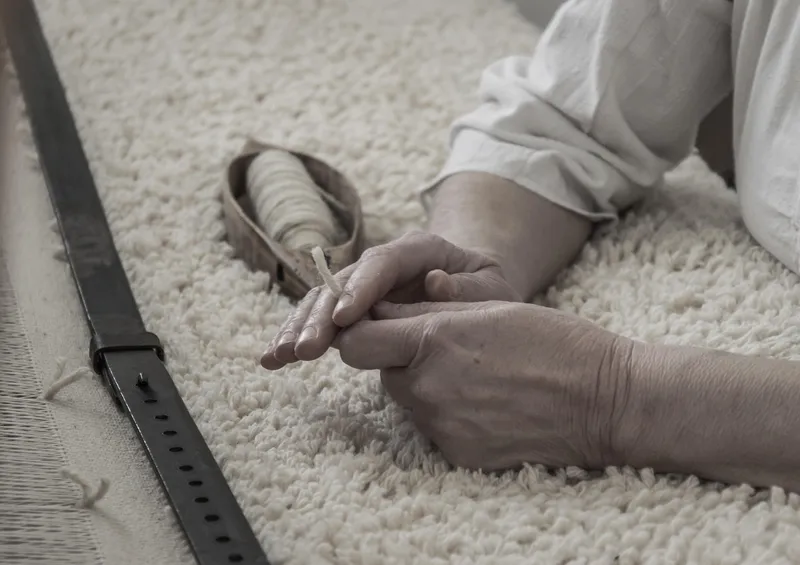
Across North America, a growing movement of people is trading digital scrolling for tactile experiences. This shift toward analog hobbies is driven by a desire to escape constant connectivity, combat digital fatigue, and find more meaningful, hands-on ways to spend leisure time.
Why are people seeking analog experiences?
Many individuals are turning to physical activities to break patterns of constant digital engagement. This movement is often seen as a response to the predictability of algorithms and the exhaustion caused by endless social media consumption.
Read also The rising business of analog activities and offline living
People are seeking "quality leisure" through various methods:
- Listening to physical music formats like CDs, which have seen a 16% increase in sales.
- Engaging in tactile crafts such as needlepoint, knitting, or bread baking.
- Participating in community-based activities like board game swaps or bird-watching.
- Using physical tools like film cameras and vinyl records to create unique, unpredictable experiences.
Is the analog trend a luxury or a necessity?
For some, the return to old-school methods is about reclaiming human connection and presence. In Canada, community initiatives like Environment Lethbridge's "Go Analog Community Swap" encourage residents to exchange items like records and board games to keep them out of landfills.
In the creative industries, manual labor is increasingly viewed as a premium attribute. Marketers note that hand-drawn animation and stop-motion techniques are being used by luxury brands to signal high quality, as these methods stand in contrast to the instant results of AI. As one expert noted, "hand labor will be valued higher than AI."
FAQ
What is a digital detox?
A digital detox is an attempt to combat digital fatigue by limiting screen time or going offline entirely to feel more present.
Which generations are driving this change?
While many generations are participating, Gen Z is notably embracing analog culture to find tangible connections and defy digital homogeneity.