Replacing 10% of ultra-processed foods with minimally processed alternatives is linked to a 2% lower incidence of bowel cancer, according to a new analysis of more than 460,000 U.S. adults. The study suggests that the specific nutritional content of certain foods may be more significant than their processing level alone.
Does the type of food matter?
Researchers found that there was no overall association between total ultra-processed food intake and bowel cancer incidence. However, the results varied significantly when looking at specific food groups. The findings indicate that the label "ultra-processed" does not tell the full story regarding disease risk.
Key findings from the dietary analysis include:
- Ultra-processed meats, such as hot dogs, were associated with higher bowel cancer incidence.
- Intake of whole grains, fiber, dairy, and calcium from ultra-processed sources was linked to lower incidence.
- Replacing 10% of ultra-processed intake by weight with minimally processed foods showed a 2% reduction in risk.
Understanding the Nova classification
To categorize these diets, researchers used the Nova classification system. This method assigns foods and beverages into four distinct groups based on the nature, extent, and purpose of industrial processing.
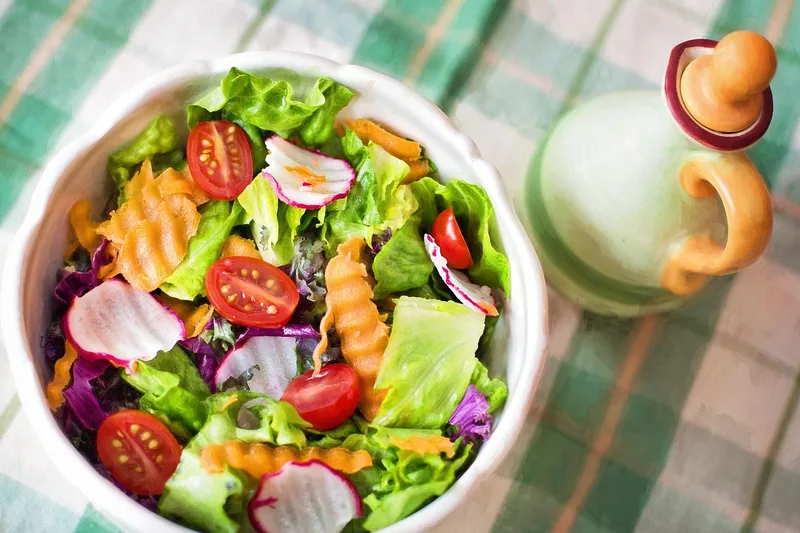
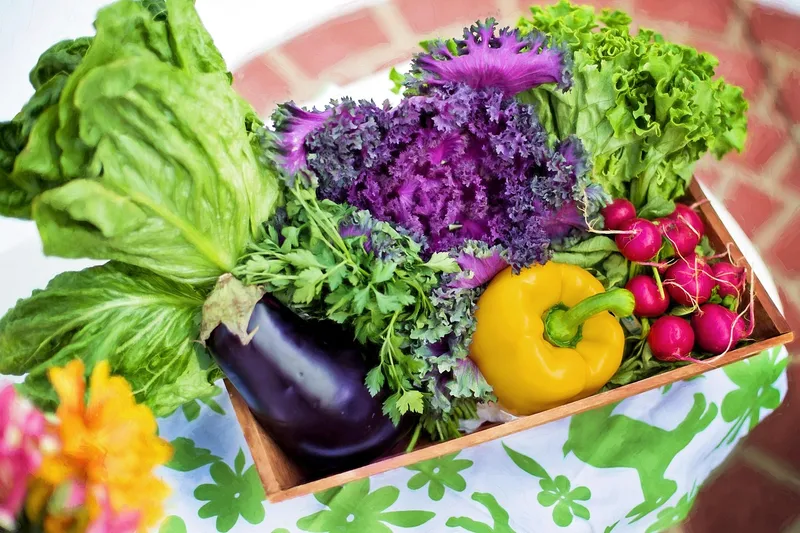
Group 1 includes unprocessed or minimally processed foods, such as raw fruits, vegetables, seeds, eggs, milk, and unprocessed meat like steak. In contrast, Group 4 consists of industrially formulated ultra-processed foods. By using this system, the study aimed to distinguish between different levels of food preparation and industrial intervention.
How was the study conducted?
The research analyzed data from the NIH-AARP Diet and Health Study, tracking participants aged 50 to 71 for nearly 20 years. Researchers used eating frequency and portion sizes to estimate daily consumption.
Lead researcher Erikka Loftfield noted that while total intake showed no link, "when we looked at the specific food groups, the results were very different depending on the food type." The study observed 10,075 cases of bowel cancer among the cohort during the follow-up period.
FAQ
What are examples of ultra-processed foods?
Common examples include sugary drinks, instant noodles, chips, store-bought biscuits, and processed meats.
Does this study prove that food swaps prevent cancer?
No, because this was an observational study, it cannot establish that making these substitutions directly causes a reduction in cancer risk.