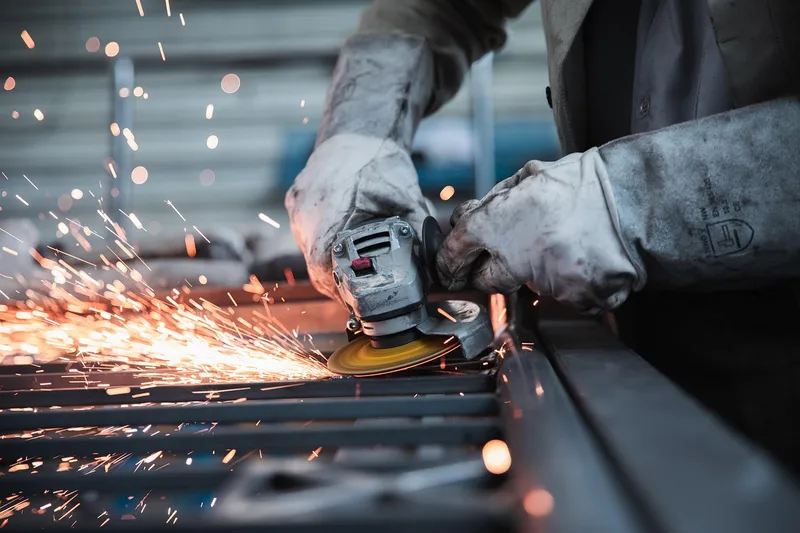
Stelco Holdings has begun issuing layoff notices to hundreds of employees in Hamilton and Nanticoke, Ontario, highlighting a significant contraction in the steel manufacturing industry. While the company attributes these cuts to the ongoing Canada-U.S. trade war, long-term shifts in technology and market demand are also contributing to the decline of steel manufacturing jobs across North America.
Why are steel jobs disappearing?
Industry leaders suggest that modern production methods require significantly less manual labor than in previous decades. Ron Wells, president of United Steelworkers Local 1005, noted that the process has become much more streamlined. According to Statistics Canada, direct employment in Canada's primary steel manufacturing sector has dropped from nearly 29,000 workers in 2003 to approximately 14,000 as of July.
Several factors are driving this workforce compression:
- New manufacturing technologies that increase efficiency.
- Changing demand dynamics within the industry.
- Tariff-related headwinds following U.S. executive orders.
- Soft demand from North American automakers.
What is the impact on the workforce?
Stelco, which is owned by the Ohio-based Cleveland-Cliffs, recently laid off 85 employees, following 90 notices issued the prior week. The company has signaled that up to 500 total layoffs could occur at its two Ontario operations. This move has sparked a dispute with the Canadian federal government regarding the company's obligations under the Investment Canada Act.
The trend extends beyond Ontario. Cleveland-Cliffs reported a workforce reduction from 30,000 to roughly 25,000 employees between late 2024 and late 2025. This included 600 layoffs in Michigan and 600 in Minnesota. Additionally, Algoma Steel issued layoff notices to approximately 1,000 workers last December.
FAQ
What caused the recent Stelco layoffs?
The company cites the Canada-U.S. trade war as a primary cause, though technological shifts and demand changes also play a role.
How many steel jobs have been lost in Canada since 2003?
Direct employment in the primary steel manufacturing industry has fallen from nearly 29,000 to about 14,000 workers.