Microplastics are tiny plastic particles measuring less than 5 millimeters that have been found in everything from toothpaste and shampoo to human blood and brain tissue. While avoiding these particles completely is nearly impossible, Connecticut experts say that making small, intentional changes to daily habits can help reduce exposure.
Simple kitchen swaps
Many common household items can shed plastic particles during use. To minimize contact, experts recommend several changes to kitchen routines:
- Replace plastic food storage containers with glass or ceramic alternatives, especially when reheating food.
- Use wooden or metal utensils instead of plastic spatulas and spoons.
- Swap plastic chopping boards for wooden ones to prevent shedding.
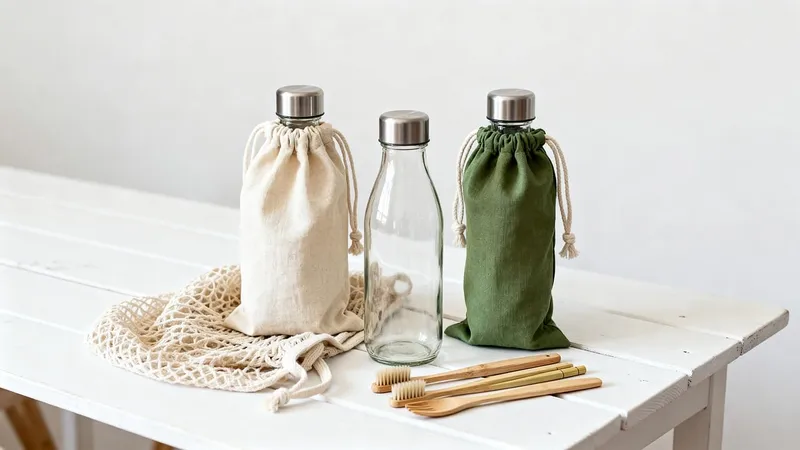
- Choose stainless steel or glass reusable water bottles over disposable plastic ones.
Experts warn that heating food in plastic containers can cause the material to leach into meals. One specialist noted that if you use a glass container with a plastic lid, you should remove the lid before microwaving.
How can you reduce microplastics in clothing?
Synthetic textiles are a primary source of microplastic fibers. Materials such as polyester, nylon, acrylic, and spandex shed tiny bits of plastic when they are worn, washed, or dried. These fibers often pass through wastewater treatment plants and end up in rivers and oceans.
To lower this risk, doctors suggest thrifting for natural fibers like cotton, silk, wool, and linen. Avoiding synthetic clothing can help reduce the amount of microplastic fibers entering the environment and your home.
FAQ
What are microplastics?
Microplastics are synthetic plastic particles that are less than five millimeters in size. They can be created intentionally or result from the breakdown of larger plastic objects.
Can microplastics enter the human body?
Yes, research has shown that these particles can be found in human blood, lungs, and brain tissue. Some studies suggest they may even pass through intestinal walls.