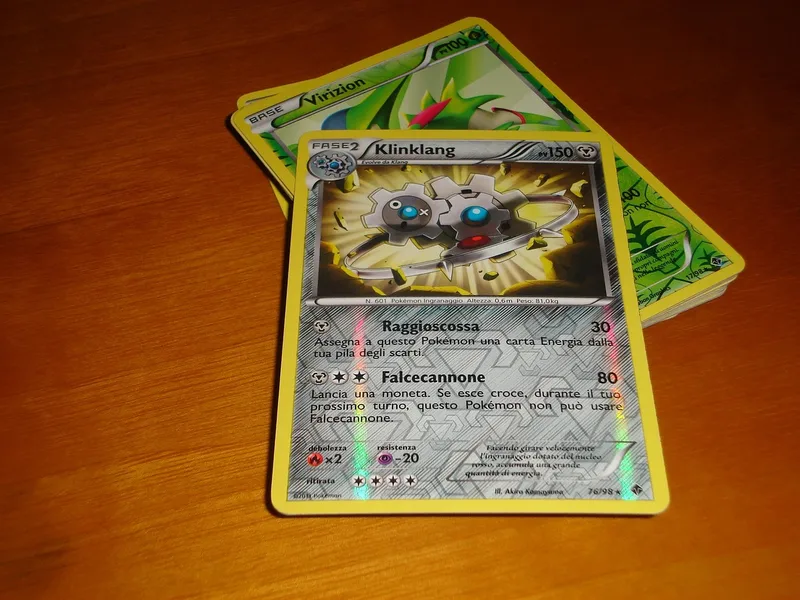
The Japanese franchise is experiencing a massive resurgence in popularity as longtime fans rediscover childhood favorites and a new generation joins the craze. This Pokémon boom has turned the brand into the world's largest toy property as of 2025, fueled by trading cards, mobile games, and international competitions.
Why is the franchise growing so quickly?
Since its 1996 debut in Japan, the series has expanded from a video game into a massive entertainment ecosystem. Industry figures show the brand was the fastest-growing toy property in Europe in 2025. The scale of production is also increasing significantly:
- Total cards produced reached approximately 85 billion by 2026.
- Annual production rose from a previous average of 1.5 to 2 billion cards.
- The trading card game was named Toy of the Year 2025.
Who is participating in the Pokémon boom?
Collectors now span all age groups and professions. In Belfast, a local shop owner noted that customers include everyone from police officers to solicitors. Some collectors view the hobby as a serious investment, with rare items like a Pikachu card selling for roughly £16,000.
Even older generations are joining in. Co-owner Stephen Mitchell mentioned that some customers are in their 70s and 80s, noting that the hobby has become more socially acceptable for adults than it was in the 1990s.
Expanding retail and events
The commercial momentum is visible in large-scale events. A card trading event at Belfast's Waterfront Hall grew from 600 attendees at its first meeting to 1,700 by the third. A scheduled November event is expected to attract more than 2,500 people from across the United Kingdom.
FAQ
When was Pokémon first launched?
The franchise was first released in Japan in 1996 as a video game series.
What makes the cards valuable?
Some collectors seek out rare cards for their high market value, with certain pieces selling for thousands of pounds.