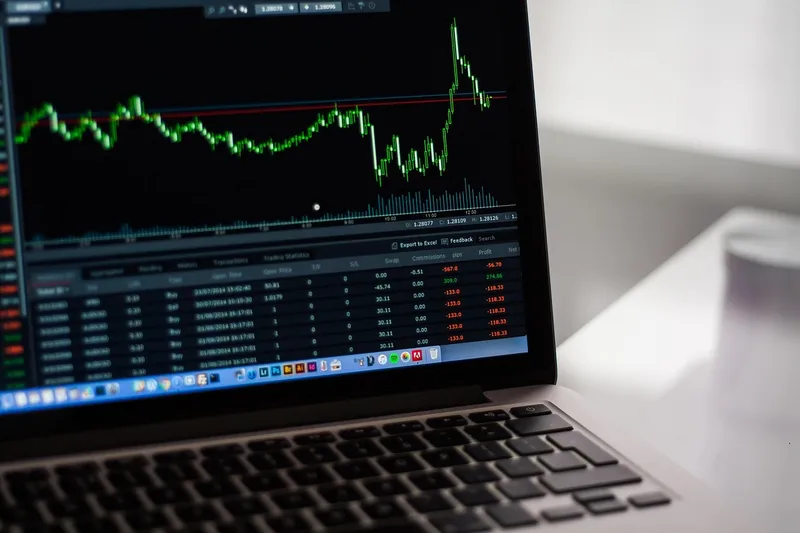
Global markets are reacting to a major political shift in Washington as investors process the Democratic Party's sweeping victory in the US midterm elections. This shift has triggered a sharp decline in energy costs and a mixed performance across major stock indices as the era of election uncertainty ends.
Why are oil prices falling?
The primary driver behind the recent drop in energy costs is the hope for a diplomatic resolution to the conflict between the US and Iran. Investors believe a Democratic-controlled Congress may constrain military options and push for a negotiated peace. This optimism has eased fears regarding potential disruptions to energy shipments through the Strait of Hormuz.
Read also Global markets rally as falling oil prices ease investor fears
Key energy market movements include:
- Brent crude fell below $100 a barrel, with recent trading near $93.83.
- US West Texas Intermediate (WTI) crude dropped to approximately $87.05.
- The S&P 500 Energy Index saw a significant decline of 4.8%.
How is the stock market today performing?
While broader markets have seen relief, the impact on specific sectors is varied. The S&P 500 recently closed 1.6% higher, and the Dow Jones Industrial Average posted its strongest performance since 2025. However, the technology sector is facing headwinds due to concerns over increased regulatory scrutiny.
Specifically, artificial intelligence-related stocks have struggled. In the US, the Philadelphia semiconductor index fell 3.1%, while some Democratic candidates campaigned on moratoriums for data center construction. Conversely, financial and banking sectors have seen gains as the market adjusts to the new political landscape.
What to watch next
Investors are now looking toward upcoming economic indicators to gauge the health of the labor market. Market participants are awaiting initial jobless claims and reports on layoffs to provide context ahead of Friday's employment data. Additionally, upcoming earnings reports from companies like Airbnb and Duke Energy will offer further insight into corporate resilience during this transition.
FAQ
Why did the election impact energy prices?
A Democratic victory raised expectations that the US will seek to de-escalate the war with Iran, which reduces the perceived risk to global oil supplies.
Which sectors are struggling?
Artificial intelligence and semiconductor stocks are facing pressure due to fears of tighter regulations and increased scrutiny over infrastructure build-outs.