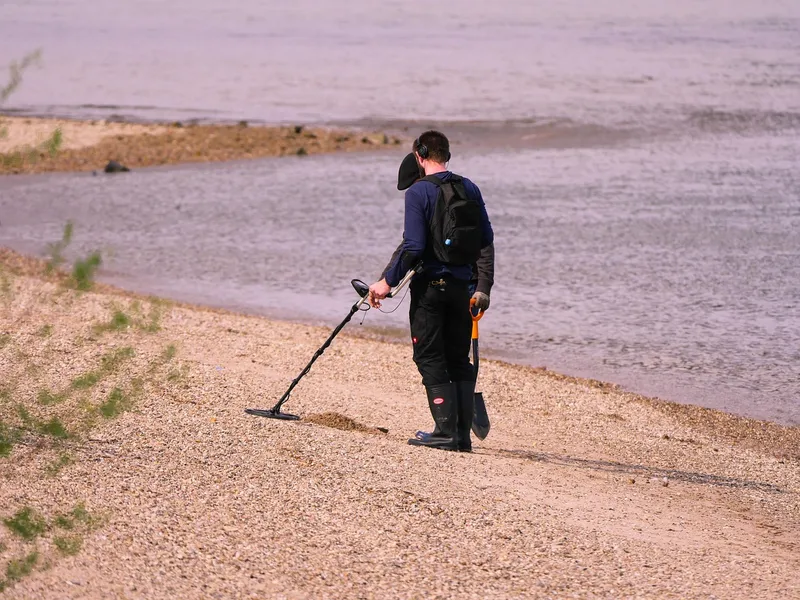
Enthusiasts are increasingly turning to metal detecting to escape the constant distractions of social media and artificial intelligence. This growing interest in the hobby offers a way for participants to slow down and engage more deeply with the physical world.
Why is the hobby growing?
The popularity of metal detecting has seen a significant rise in recent years. Alan Tamblyn, general secretary of the National Council for Metal Detecting (NCMD), noted that approximately 50,000 people now participate in the pastime, up from 20,000 five years ago.
Several factors contribute to this trend:
- A desire to disconnect from digital screens and AI.
- A nostalgic return to tactile, outdoor activities.
- An increased interest in local history and nature.
According to the Portable Antiquities Scheme, metal detectorists were responsible for 94% of nearly 80,000 recorded finds in 2024.
Mental health and presence
For many, the appeal of metal detecting is as much about mental wellness as it is about finding artifacts. Practitioners like Lucilla Gray and Eleanor Bruce, who have been detecting in Lincolnshire for six years, say the activity provides a necessary break for the brain.
Gray, 34, suggests the hobby can help with grounding and focus. "It helps to stop overthinking things and you have to be really present in what you're doing," she said. The hobby allows users to re-engage with nature and the sounds of the outdoors rather than the rapid pace of modern technology.
A diversifying community
While the hobby was once stereotypically viewed as being dominated by older men, the demographic is shifting. More women and families are joining the community, bringing new perspectives to historical discovery. Beyond archaeology, the skill is also used for practical recovery services, such as finding lost jewelry in parks or rivers.
FAQ
What kind of items can be found?
Detectors can uncover anything from Roman brooch fragments and Medieval buckles to Victorian needle casings and lost wedding rings.
Does the hobby help with stress?
Participants suggest the activity helps provide a mental break from screens and encourages being present in the moment.