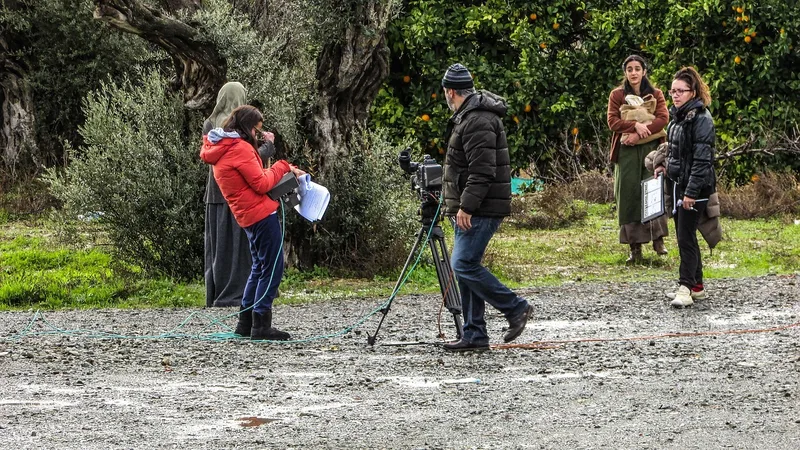
Filming activity in Los Angeles is experiencing a significant downturn, according to recent data from the permitting office FilmLA. Despite a substantial increase in state-funded tax incentives, the total number of shoot days has fallen 36 percent below the five-year average for the region.
Why is Los Angeles film production dropping?
The decline persists even though California recently expanded its film and television tax credit program, raising annual funding from $330 million to $750 million. While these subsidies have attracted specific projects—such as the series Tracker, which moved from Canada to Los Angeles—the broader industry is struggling.
Key trends in the recent quarter include:
- Television drama production fell 9 percent.
- Commercial production dropped nearly 16 percent.
- Comedy production saw a sharp increase of 143 percent.
FilmLA CEO Denise Gutches noted that “overall production remains far below where Los Angeles needs it to be,” affecting local crews and businesses.
What are the economic implications?
The drop in activity highlights intense competition from other states and countries vying to host major productions. While feature film shooting saw a slight 2 percent uptick, the lack of growth in other sectors remains a concern for the local economy. Commercial production, which does not qualify for the state's tax incentives, is currently 41 percent below its five-year average.
In response to the slump, Los Angeles Mayor Karen Bass has called for further action. She is advocating for an uncapped version of the California film and television tax credit that would cover a wider variety of production types to help stabilize the industry.
FAQ
How much did shoot days decrease recently?
Between June and September, Los Angeles saw a nearly 5 percent drop in shoot days compared to the same period last year.
Are tax credits helping the industry?
While tax credits have helped some productions stay in the state, they have not yet reversed the overall downward trend in regional production levels.