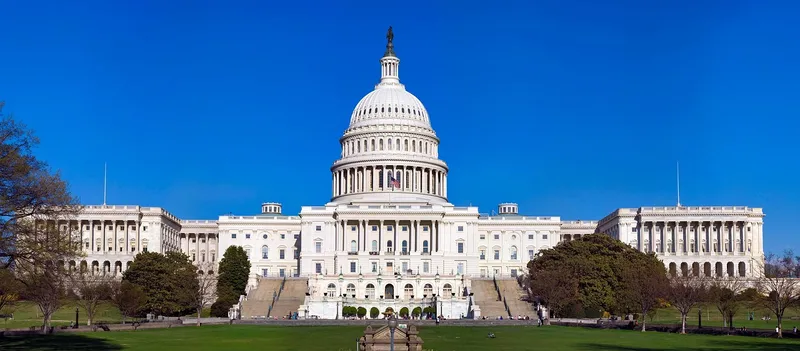
Congress has returned to Washington for a high-stakes lame-duck session, facing a massive legislative workload following a decisive midterm election defeat for Republicans. The most urgent priority is securing government funding before the current deadline on Dec. 11 to prevent a federal shutdown.
Challenges for government funding
With Democrats poised to take control of both chambers, the political landscape has shifted significantly. To avoid a shutdown, lawmakers must either pass a full suite of appropriations bills or a continuing resolution to maintain current spending levels. Because the Senate requires a 60-vote threshold to overcome a filibuster, bipartisan cooperation will be essential. However, analysts suggest Democrats may have little incentive to compromise as they prepare to assume leadership.
Read also Hegseth to hold first Pentagon briefing amid impeachment threat
Other pressing legislative items include:
- Passing the National Defense Authorization Act.
- Addressing the national debt limit.
- Considering permitting reform and college sports regulations.
- Confirming White House judicial nominees.
What is the impeachment effort?
In addition to fiscal deadlines, the House is facing intense political drama regarding the executive branch. Representative Thomas Massie (R-Ky.) has reintroduced articles of impeachment against Defense Secretary Pete Hegseth. The articles focus on military actions and the conflict with Iran.
Hegseth stated he was not "worried" about the proceedings and is scheduled to hold a press conference to address the matter. This comes as President Trump manages a diminished Republican presence in Congress, even suggesting his previous immigration policies "might be too tough."
What to watch next
As the session progresses, observers should monitor the Senate's internal dynamics, as Republican members have expressed frustration over recent election losses. Additionally, the final results of closely contested Senate races in Alaska and Mississippi will determine the exact scale of the Democratic majority. The ability of the current Congress to pass essential funding bills will serve as a primary test of bipartisanship in a divided era.
FAQ
When does the government funding expire?
The current funding for the government is set to expire on Dec. 11.
Who is facing impeachment?
Defense Secretary Pete Hegseth is the subject of articles of impeachment reintroduced by Rep. Thomas Massie.