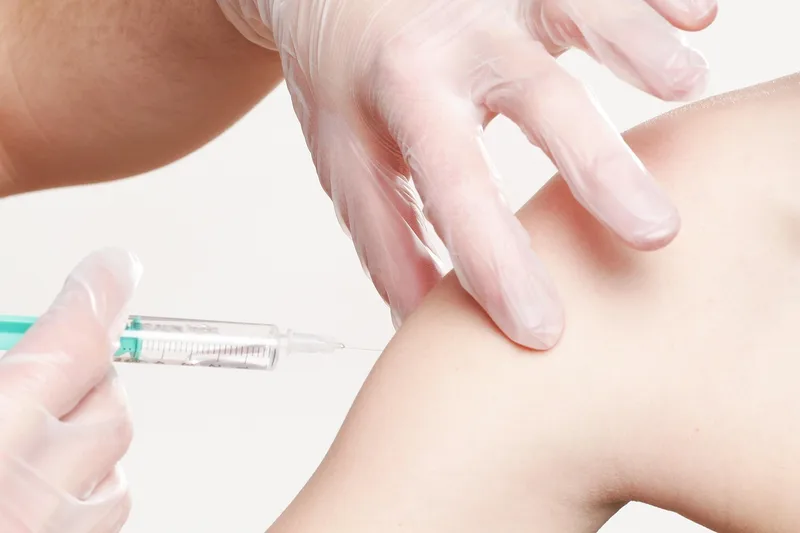
The flu virus has hit earlier and harder this fall, forcing some provinces to adjust vaccination plans and adding urgency to the immunization campaign in Ontario, where seniors have reported difficulties obtaining shots. National surveillance data shows a rise in positive tests, signaling an early start to the season.
Rising infection rates
According to the national FluWatch+ surveillance program, the percentage of positive flu tests rose to 5.3 per cent for the week ending Oct. 10, up from 4.7 per cent the previous week. British Columbia currently reports the highest activity, with a positivity rate of 14.9 per cent.
Don Vinh, an infectious disease specialist at McGill University, noted that these rates are several times higher than those seen in previous years. He stated that the influenza activity began before vaccination campaigns could fully deploy, adding, “The flu doesn’t really care about our agenda.”
How are provinces responding?
Because the flu virus hits earlier and harder than expected, several provinces have modified their rollout schedules to increase protection:
- Prince Edward Island: Held pop-up clinics on Oct. 7.
- Nova Scotia: Began offering appointments on Oct. 9.
- Alberta: Instructed pharmacies to provide shots as soon as doses arrive, rather than waiting for the original Oct. 19 launch.
- Quebec: Launched its winter campaign early to protect vulnerable populations.
What should Canadians expect?
Health specialists recommend getting vaccinated as soon as possible because peak protection typically lasts about three months. While the vaccine provides roughly 40 per cent protection against serious illness or hospitalization, experts warn that immunity can wane if administered too early in the season.
In Ontario, high-dose vaccines are recommended for adults aged 65 and older to provide a stronger boost to aging immune systems. Most provinces will offer the vaccine free of charge to high-risk groups by the end of October.
FAQ
How long does vaccine protection last?
Peak protection from the flu shot generally lasts for about three months, though the vaccine can work for approximately six months.
When does the vaccine become effective?
It typically takes about two weeks after receiving the vaccination for the body to develop protection.