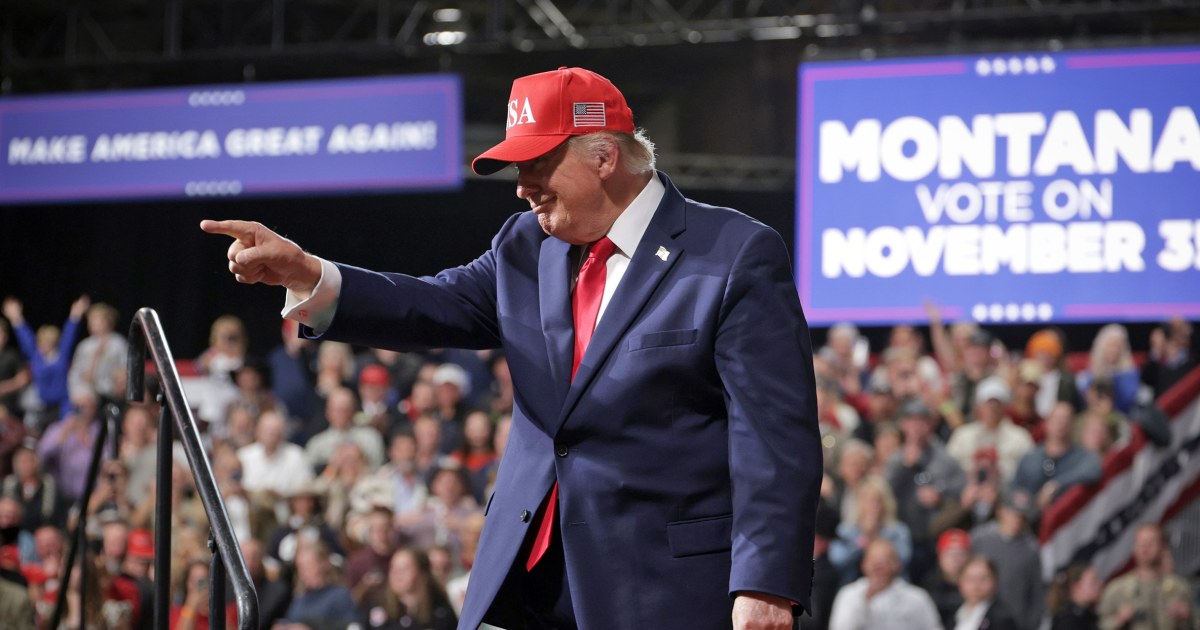
As the 2026 midterm elections approach, the top Super PAC for Senate Democrats is launching a major financial offensive by pouring more than $7 million into two marquee races in Michigan and Maine. This surge in spending comes as Donald Trump conducts a western campaign swing to bolster Republican candidates in states like Arizona and Montana.
Where is the Democratic money going?
The Senate Majority PAC has strategically allocated its resources to support specific Democratic nominees in competitive battlegrounds. The primary targets for this funding include:
- Michigan: The group has reserved $3.7 million to support Democratic nominee Dr. Abdul El-Sayed in his race against Republican Mike Rogers.
- Maine: Approximately $3 million is being invested to assist Democrat Troy Jackson in his challenge against five-term Republican incumbent Susan Collins.
While these investments target specific seats, reports indicate the group has paused advertising expenditures in Georgia and North Carolina.
How is the GOP responding?
Republican efforts are being bolstered by significant financial backing and high-profile campaigning. Donald Trump has been active in the field, emphasizing regional priorities such as gun rights during appearances in Montana.
Financial advantages for the GOP appear substantial. Senate Minority Leader Chuck Schumer warned that an "unprecedented tsunami of Republican money" could threaten Democratic advantages in candidate quality and policy messaging. Reports indicate that Republican-aligned groups have built a significant financial lead, with some estimates suggesting a massive gap between GOP and Democratic holdings. Additionally, billionaire Elon Musk has contributed hundreds of millions of dollars to support Republican efforts during this cycle.
FAQ
Which states are receiving the most Democratic PAC funding?
The Senate Majority PAC is focusing over $7 million on marquee races in Michigan and Maine.
What is the primary goal of the Republican campaign strategy?
Republicans are utilizing high-profile rallies and massive financial investments to shore up voter turnout and support local candidates.