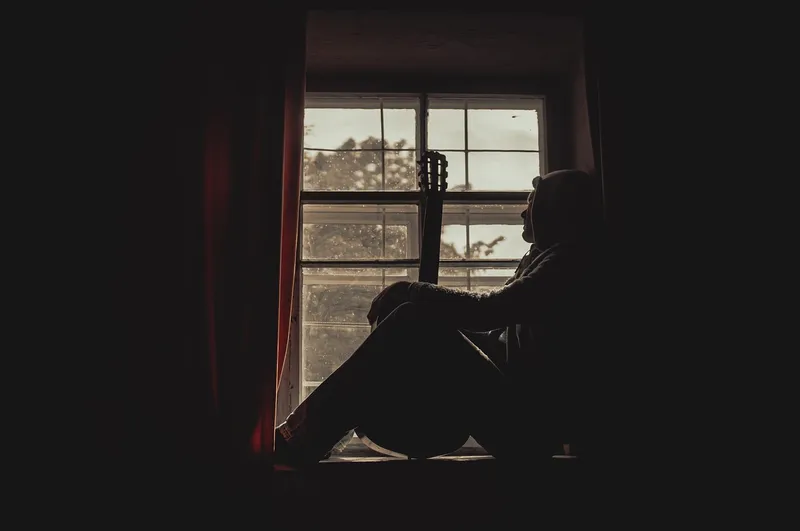
As daylight hours decrease in Montreal, many residents face lower energy levels and mood changes. Mental health experts suggest that proactive lifestyle adjustments can help individuals manage the winter blues or more severe seasonal affective disorder (SAD).
Understanding the seasonal impact
The winter blues affect an estimated 15 to 30 per cent of the population, according to the Canadian Psychological Association. For others, SAD is a more complex condition impacting two to six per cent of people and interfering with daily functioning.
Biological factors play a role in these shifts. Natural light encourages the production of serotonin, a natural antidepressant, while a lack of sun can increase melatonin, which may lead to feelings of fatigue and depression.
Strategies to combat the winter blues
Therapists recommend several practical steps to maintain well-being during the darker months:
- Prioritize sleep and nutrition: Establishing a consistent sleep-wake routine and eating nutritious foods are fundamental.
- Maximize daylight: Moving desks closer to windows or leaving curtains open can increase light exposure.
- Stay active: Physical activity releases endorphins that can improve mood.
- Maintain social connections: Avoiding isolation through social interactions helps support overall well-being.
When to seek professional help
While lifestyle changes can assist with general seasonal slumps, those experiencing SAD should consider consulting a mental health professional. Jamie Rose, a counsellor at Jade Therapy, noted that awareness is a strength because it allows people to prepare for the harder months. "No one has to wait for it to look severe before taking it seriously," Rose said.
FAQ
What is the difference between the winter blues and SAD?
The winter blues typically involve general low energy, whereas SAD is a clinical condition that interferes with daily functioning.
How does light affect mood?
Natural light helps the body produce serotonin, while a lack of sunlight can increase melatonin, which may contribute to feelings of heaviness and depression.