Canada's annual inflation rate rose to 3.1% in September, according to data released by Statistics Canada on Monday. This marks an increase from the 3.0% rate recorded in August and fell slightly short of economist expectations for a 3.2% acceleration.
What drove the rise in inflation?
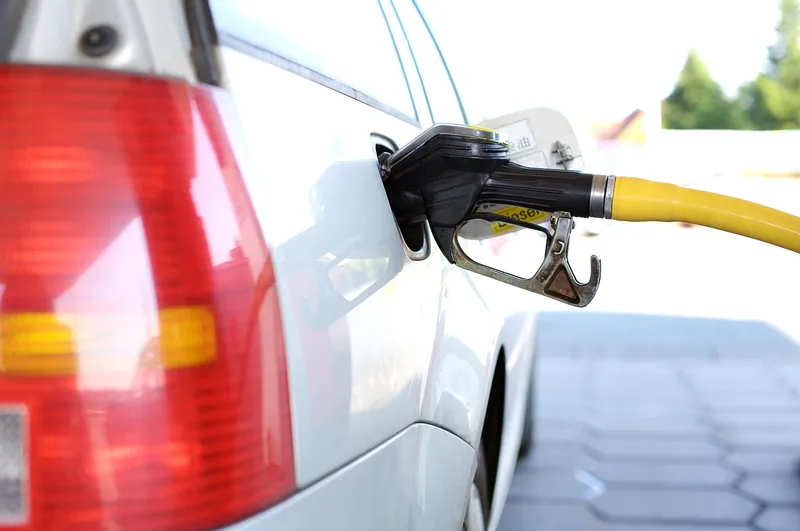
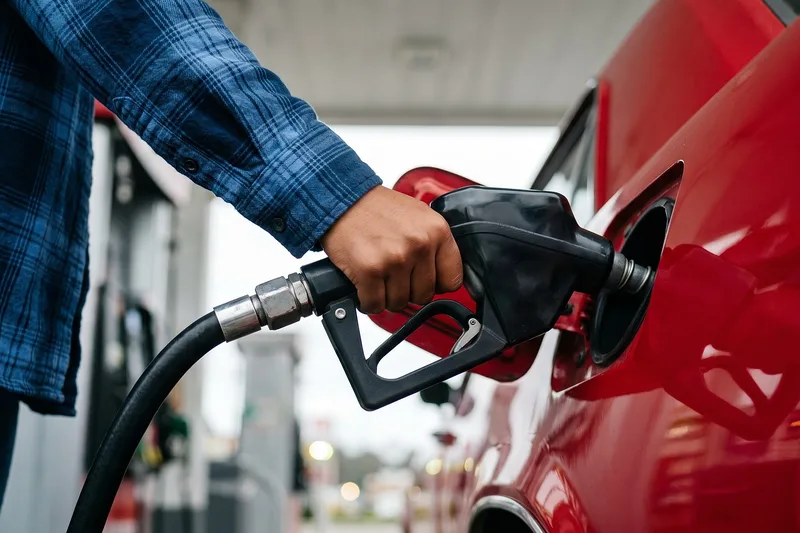
The primary driver behind the uptick was a significant jump in energy costs. Gasoline prices surged 27.8% year-over-year, up from a 22.8% increase in August. This spike is largely attributed to rising crude oil prices resulting from conflict in the Middle East.
Other notable price movements included:
- A 57.8% annual jump in the cost of fuel oil and other fuels, which hit consumers in Atlantic Canada particularly hard.
- Shelter costs increased by 1.8%, up from 1.5% in August.
- Transportation costs saw an 8.4% year-over-year increase.
Is there relief for grocery shoppers?
While energy costs climbed, the pace of growth for food purchased from stores slowed. Grocery prices rose 1.7% year-over-year in September, down from a 2.8% increase in August. This represents the smallest yearly increase for groceries since May 2024, aided by lower costs for fresh vegetables and certain confectionery items.
Why does this matter for interest rates?
This report serves as the final inflation data the Bank of Canada will review before its next interest rate decision on Oct. 28. While the central bank has indicated it may look past temporary inflationary shocks caused by Middle East tensions, officials remain prepared to raise rates if price pressures begin to spread to other sectors of the economy.
Economic context and outlook
Economists are closely monitoring whether these cost pressures are limited to the energy sector or if they are starting to influence the broader economy. The Bank of Canada is also scheduled to release quarterly surveys of businesses and consumers later this morning. These surveys are intended to reveal if companies intend to pass increased supply chain expenses on to their customers through higher retail prices.
FAQ
How much did gasoline prices change?
Gasoline prices rose 27.8% compared to the same month last year, an acceleration from the 22.8% increase seen in August.
Did food prices go down?
No, but the rate of increase slowed to 1.7%, which is lower than the 2.8% increase reported in August.