As temperatures drop across much of North America, many people are turning toward budget-friendly hobbies to stay entertained indoors. These low-cost activities allow individuals to explore new talents without a significant upfront financial investment or specialized studio space.
How to start budget-friendly hobbies
Finding a new pastime does not require expensive equipment. Many successful creative pursuits rely on upcycling or using basic household supplies. For example, old glass jars can be repurposed into vases with twine, and worn-out clothing can be transformed into woven rugs.
Other accessible options include:
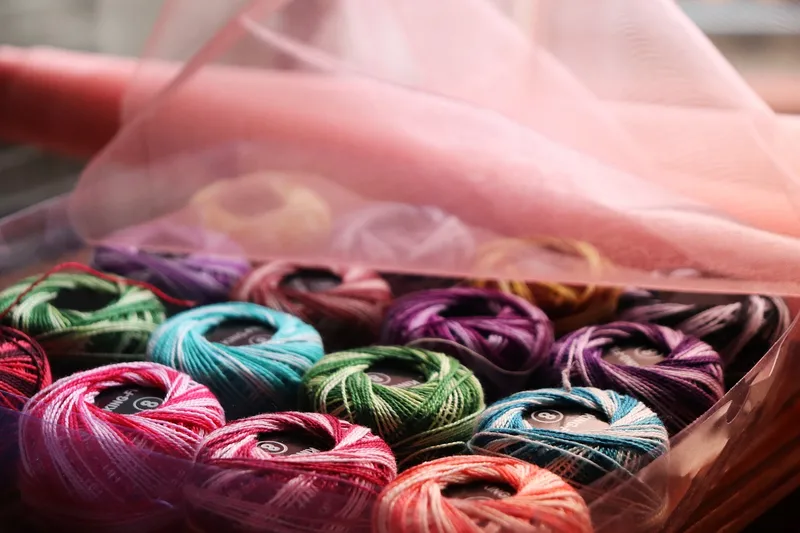
- Fiber arts: Knitting or crochet can be started with minimal tools, often supported by community shops that offer bargain bins and donated supplies.
- Paper and sticker arts: Activities like 3D sticker scene books or adult coloring provide a way to disconnect from digital screens.
- Logic puzzles: Murder mystery books offer a way to engage the mind through themed crime-solving challenges.
- Clay modeling: Using air-dry clay allows for simple sculpting projects like seasonal decorations.
Why skill level matters
To avoid frustration, beginners should select projects that match their current abilities. Starting with simple tasks, such as basic yarn work or paper arts, helps build the confidence necessary for more complex endeavors like leather stamping or pottery.
According to a report from Fresh Thinking Hub, attempting intricate projects too early can turn a relaxing hobby into a "stressful chore." Many enthusiasts suggest keeping a small, versatile toolkit—including scissors, glue, and paints—to make starting new projects easier.
Finding community and support
Beyond individual relaxation, many hobbies serve as social connectors. Local yarn shops and community art centers often provide free crafting spaces and affordable classes to help newcomers learn new skills. These spaces allow makers to build friendships while sharing tools and techniques, making the transition into a new hobby more welcoming.
For those interested in fiber arts, specialty shops can make the entry point much easier. Some businesses focus on accessibility by offering beginner-friendly lesson packages that include all necessary tools and materials, ensuring that a lack of equipment does not prevent someone from trying a new craft.