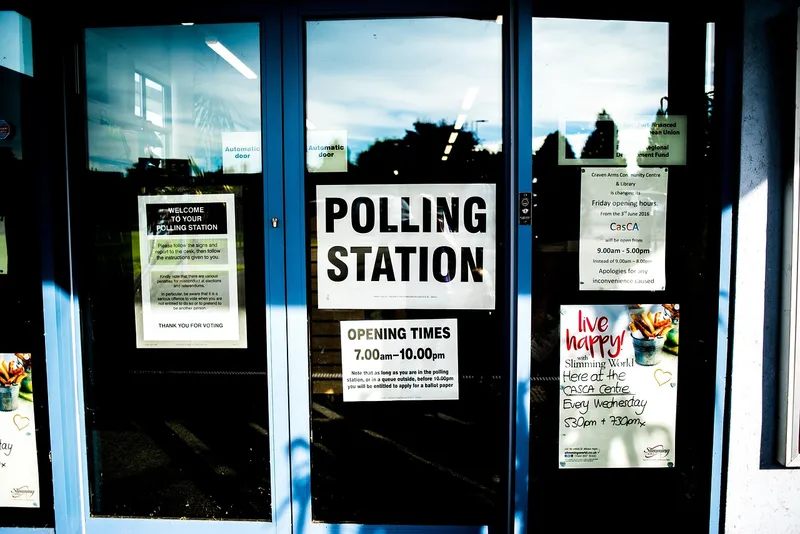
British Columbia voters are casting ballots in a provincial election that has resulted in a highly competitive B.C. election. Recent polling indicates a narrow contest between Premier David Eby’s NDP and the B.C. Conservative Party, led by interim leader Lorne Doerkson, following a surprise snap election call by the incumbent government.
What is driving the B.C. election results?
Premier Eby called the election two years early, a move he later admitted left voters "surprised and frustrated." While Eby cited the need to address economic threats from U.S. President Donald Trump, the timing has become a central campaign issue. The province is currently facing several significant economic pressures, including:
Read also Lorne Doerkson to lead B.C. Conservative majority government
- Rising fiscal deficits and a debt-to-GDP ratio that has reached 30 per cent.
- High housing costs that contributed to 70,000 young people leaving the province last year.
- Concerns regarding weak private sector investment and general unaffordability.
Who are the main contenders?
Lorne Doerkson, a former newspaper publisher and two-term MLA, emerged as the Conservative leader after the sudden resignation of Kerry-Lynne Findlay. Doerkson has campaigned on a platform of fiscal intervention, claiming the NDP has "driven our economy off the cliff."
In response, Eby has characterized Doerkson as a "Trojan horse" intended to mask more extreme views within the Conservative Party. While the NDP has held power for nine years, recent data suggests their grip on the province is loosening. An Angus Reid Institute survey put the Conservatives a few points ahead of the NDP, though that gap was narrow enough to fall inside the poll's margin of error.
The political context of the snap call
The election was triggered by a period of political volatility. Just before the election was called, the Conservative leadership was in disarray following the resignation of Kerry-Lynne Findlay. Eby originally expected to run against Findlay, but the sudden emergence of Doerkson changed the campaign dynamic.
Furthermore, the NDP has been managing a slim one-seat majority, which Eby described as a frustrating experience in the legislature. As the province looks toward massive infrastructure investments involving new transmission lines and mining projects, voters must decide if the current administration can manage the transition or if a change in leadership is required to address the mounting debt.
FAQ
Why was the election called early?
Premier Eby called the snap election to respond to economic uncertainties, specifically mentioning threats posed by U.S. trade policies.
Is there a clear leader in the polls?
No; recent surveys describe the race as a statistical tie, with the lead shifting slightly between the two major parties depending on the poll conducted.