The global market for antiques continues to expand as collectors seek out items that offer both cultural significance and historical storytelling. Whether through high-stakes auctions or local family businesses, the appreciation of antiques remains a deeply personal and increasingly mainstream pursuit.
Why is Inuit art gaining mainstream traction?
Inuit art is seeing a steady rise in the Canadian mainstream art market. While historically viewed as separate from the major Canadian art movements, such as the Group of Seven, demand for high-quality pieces is growing among fine-art collectors.
Key trends in this sector include:
- High auction prices for storied works, such as Joe Talirunili’s "The Migration" series.
- Strong interest from international buyers, particularly in Europe.
- A push to recognize Inuit creators as major Canadian artists.
How do collectors find value in the past?
For many, the appeal of antiques is not purely financial. In Newfoundland and Labrador, some enthusiasts collect relics to celebrate local tradition and culture. For instance, some shop owners keep specific items, like a 19th-century ship's nameplate from a lost schooner, purely for their historical conversation value.
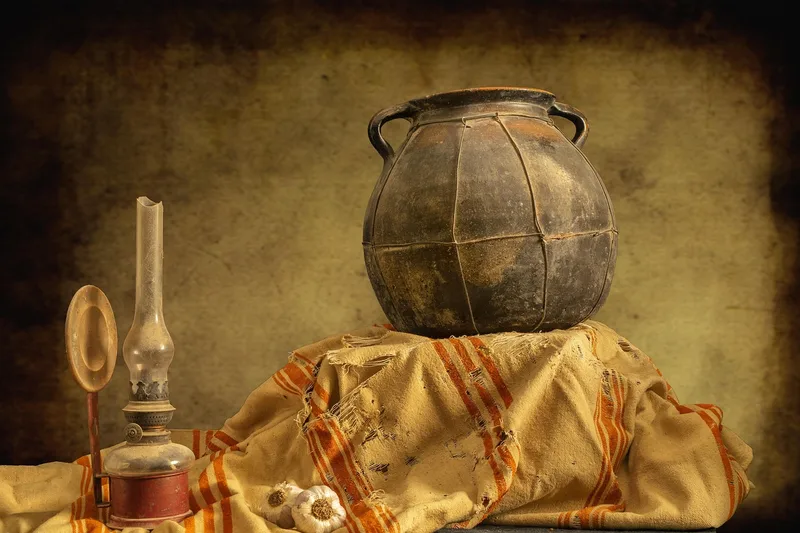
Other collectors focus on the sheer joy of accumulation. Some individuals dedicate entire structures to housing vast collections of tools, cameras, and instruments, often opening these spaces to the public for free. In other cases, the value is found in the unexpected, such as when a seemingly inexpensive ancient pottery vessel is appraised at a "shocking value."
The role of family and heritage
Many antique ventures are deeply rooted in family legacies. In some regions, family-run shops have been passed down through generations, with children growing up in the stores to eventually take over the business.
Large-scale auctions also frequently occur when historic estates pass to new generations. These events can feature a diverse range of treasures, from 19th-century French marble busts and North Indian carpets to rare etchings. These sales provide a window into the heritage of a specific home and allow historic collections to find new owners while marking a transition in a family's history.
FAQ
Is Inuit art considered mainstream Canadian art?
While it has long been collected internationally, experts are working to integrate it into the mainstream Canadian art market alongside other major movements.
Why do people collect antiques?
Collectors are often driven by a passion for tradition, the stories behind the objects, or the simple joy of finding rare items.